

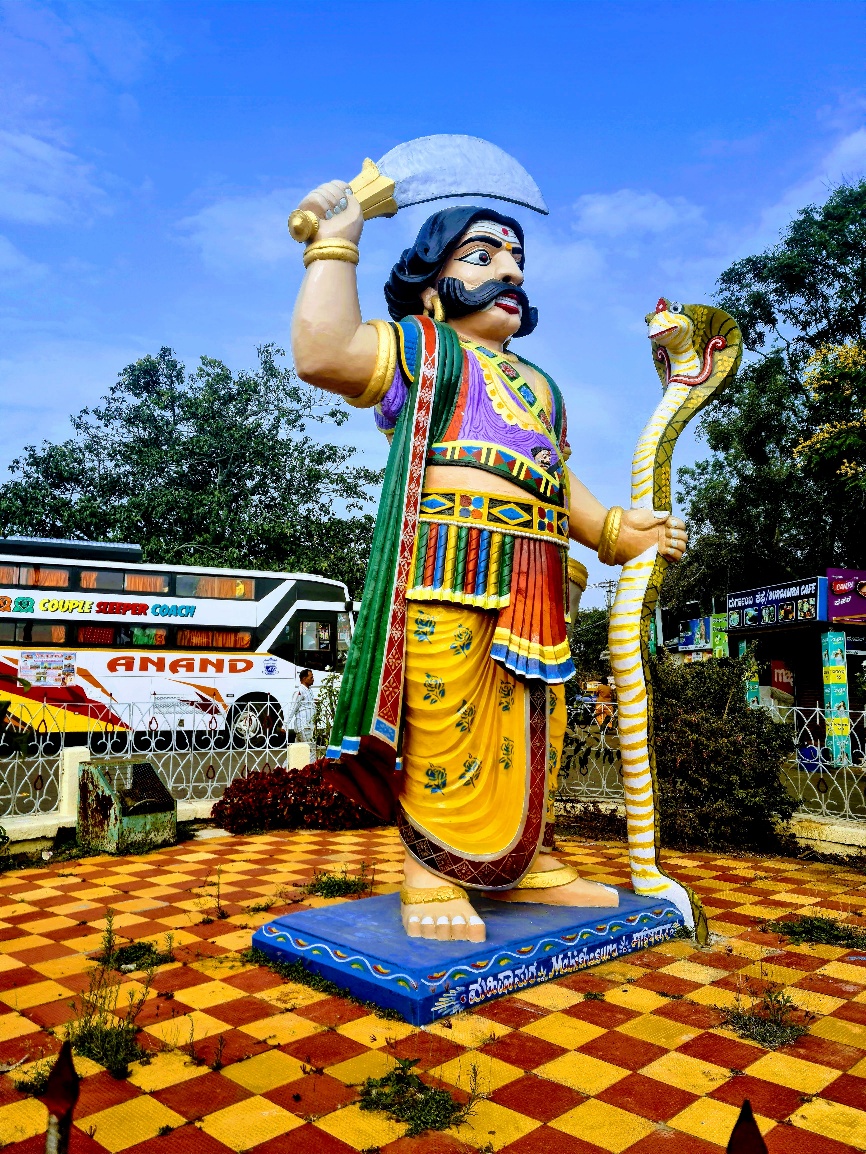
We’d arranged with Deepak to pick us up at 9 am from our hotel to head up to the Chamundi Hills to the Chamundeshwari Temple where the goddess Chamundeshwari (Durga) put an end to the buffalo demon Mahishasura (origin of Mysore’s name).
Faz, yesterday’s guide, told us in passing that Indians don’t need to do drugs; their mythological life is psychedelic enough. The story of Durga and the triumph of good over evil fits the genre.
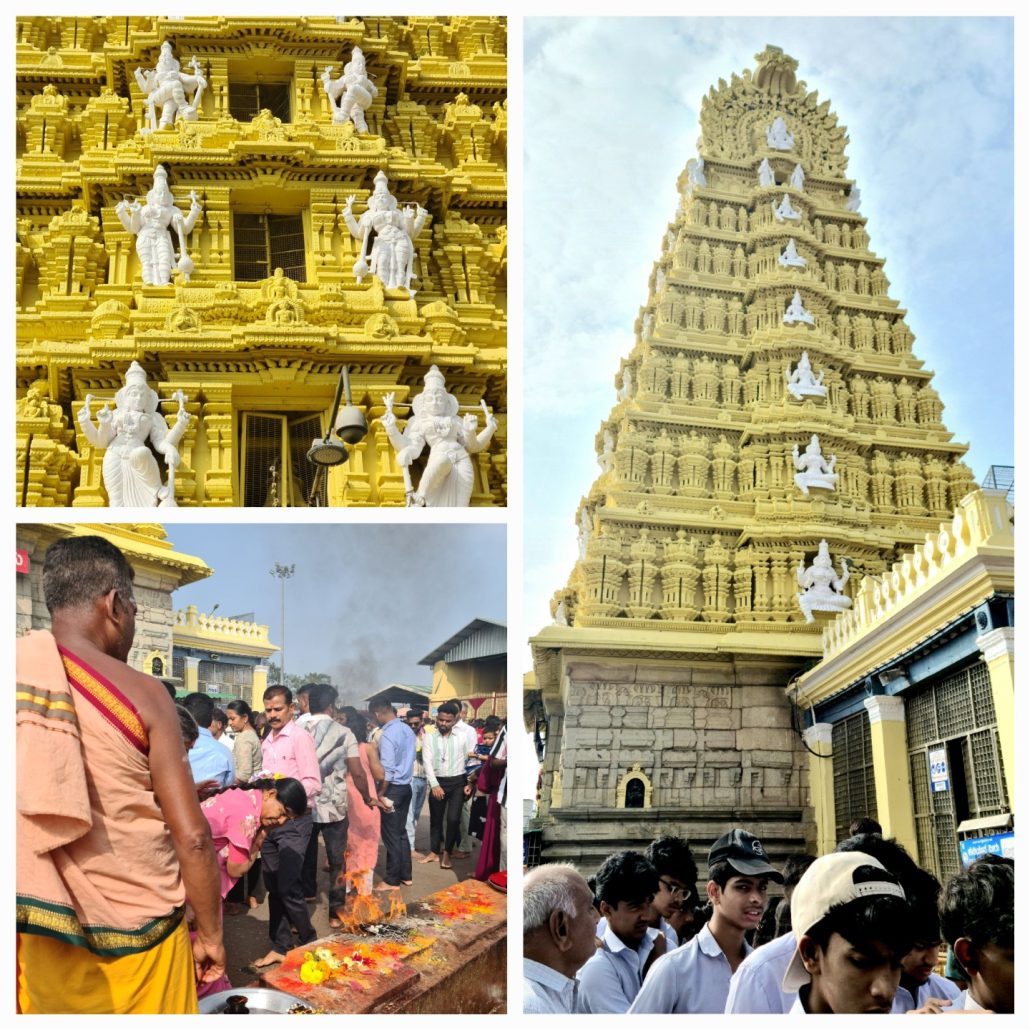
Sadly for us, though, about 10,000 other people had the same idea.
We pressed on, bought our tickets, but after 15 minutes of standing in a line that wasn’t going anywhere, I decided I wasn’t all that curious about what was inside. We’d left it too late.
Only a little disappointed (more by the waste of time than not seeing the inner sanctum), we headed to The Old House, buoyed with the hope that as they catered to the yoga contingent, they’d have some plant-based milk – and they did.
From there, it was on the part of the city that the tourists rarely go. Narrow streets and dark alleys pitted with vendors and artisans. We smelled Yam Herbals in the old town before we ever saw it.
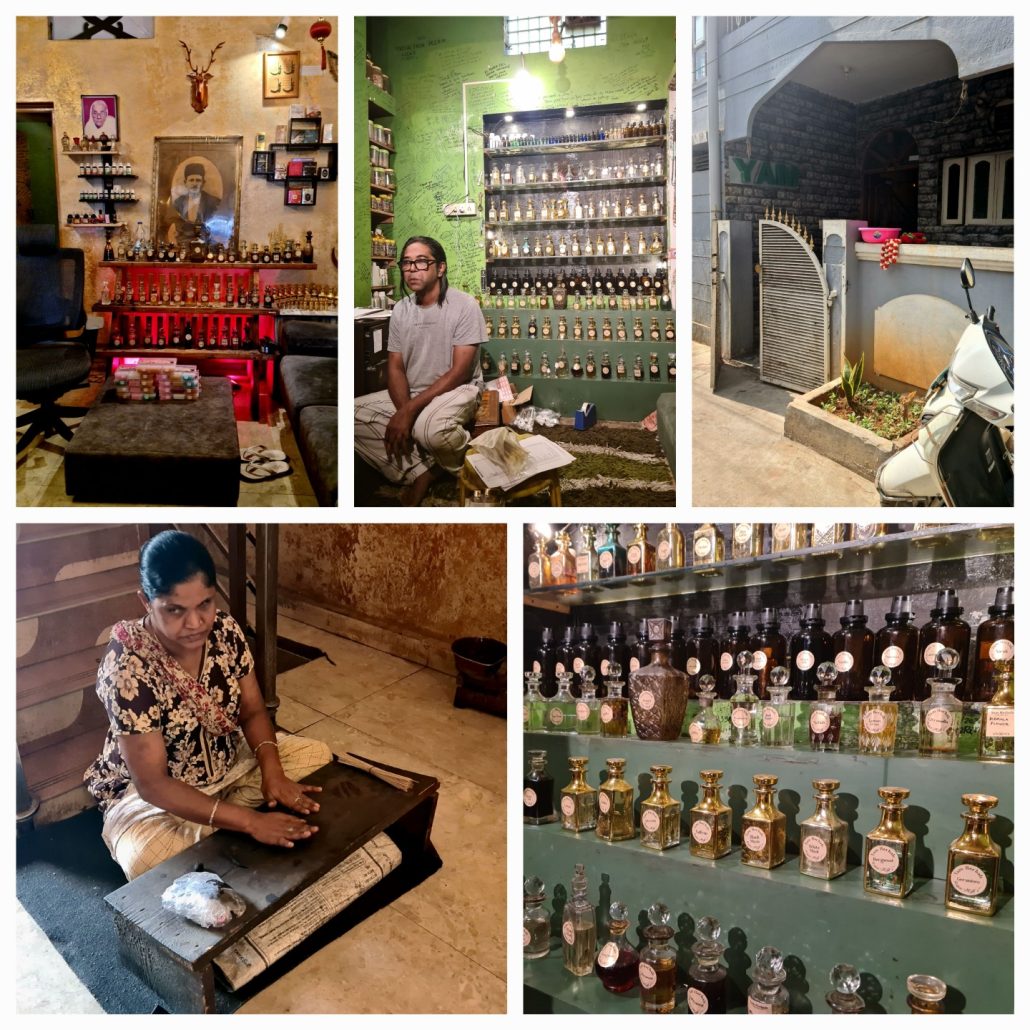
Inside, we watched Nasreen hand-roll sandalwood incense sticks that would then dry for three days before being scented. The business has been in the family for four generations. Each scent has a job to do; likewise, with the essential oils. Both oils and incense are available at the bazaar for a fraction of the cost, but they’re allegedly mass-produced industrial products. Nasreen rolls about 4000 sticks a day, and most, if not all, their stock goes to the yoga heads. The sticks burn for hours, not minutes, and smell incredible.
Opinions are mixed. Some say it’s a scam. Others swear by Ali. What negated my buyer’s remorse was a review that testifies to how the water lily oil works on mozzies. Good enough for me.
One of the things I like least about travelling is that I never know if I’m being scammed. I want so hard to believe people are genuine. Conscious of the tuk-tuk driver-shopowner partnerships that were such a large (and annoying) part of my second visit to India, I was on super alert for scams.
My option though? To spend hours on TripAdvisor weighing up who to believe? I don’t think so. If I’m wrong, I’m wrong. And if they’re scamming me, then karma will eventually bite them in the ass.
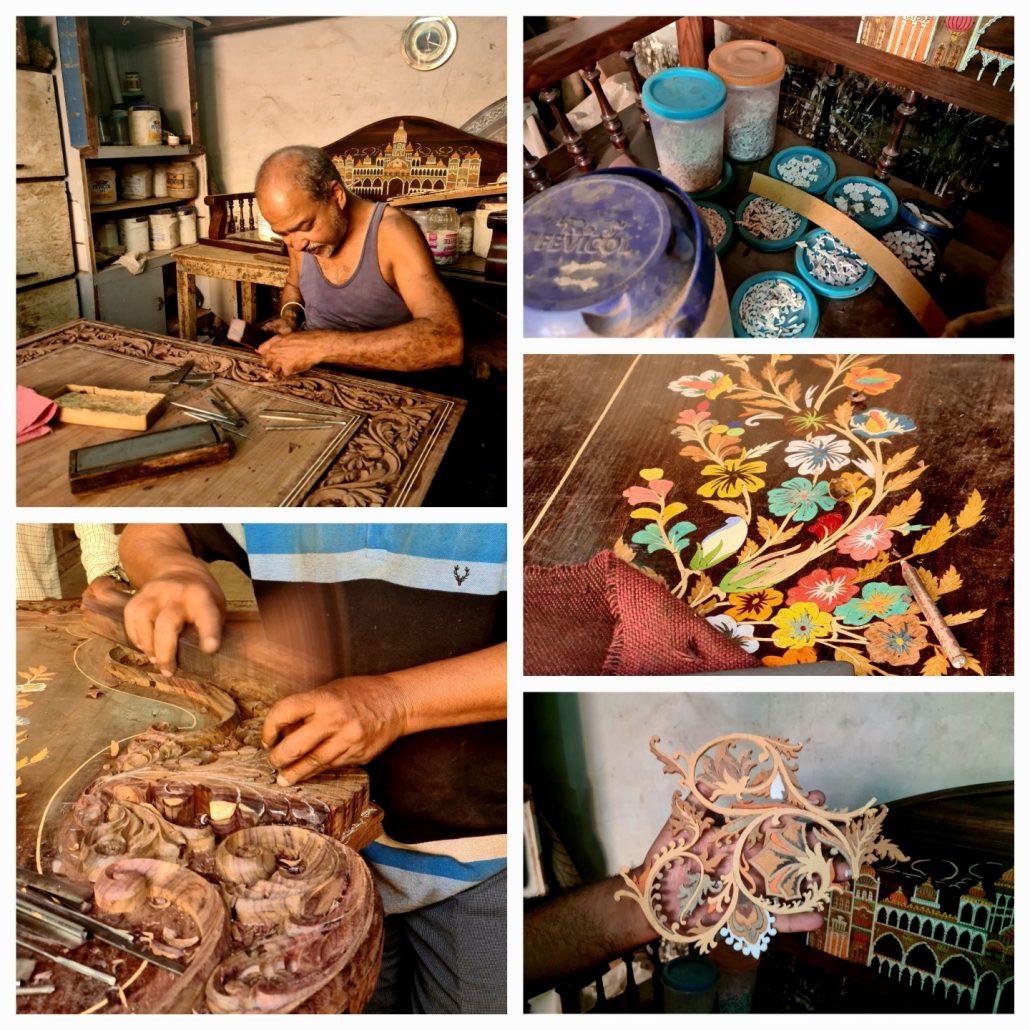
We stopped to see some master craftsmen at work. Mysuru is famous for its wood inlay. Up till the 70s, ivory was used for the inlay – now though, it’s coloured resin/plastic. Days and weeks and months and sometimes years go into creating pieces, and it’s all done by hand.
We stopped at one of the government-run craft shops to buy some incense burners, and there I suspect we were had.
Pushy, pushy, pushy. Upsell is this country’s middle name.
Deepak was picking up another fare from our hotel at 1.30, so we headed back, intending to just hang out for the afternoon and catch up on some much-needed sleep.
But that feeling hit – the one that screams ‘you’re only here for a few days’. We had to do something.
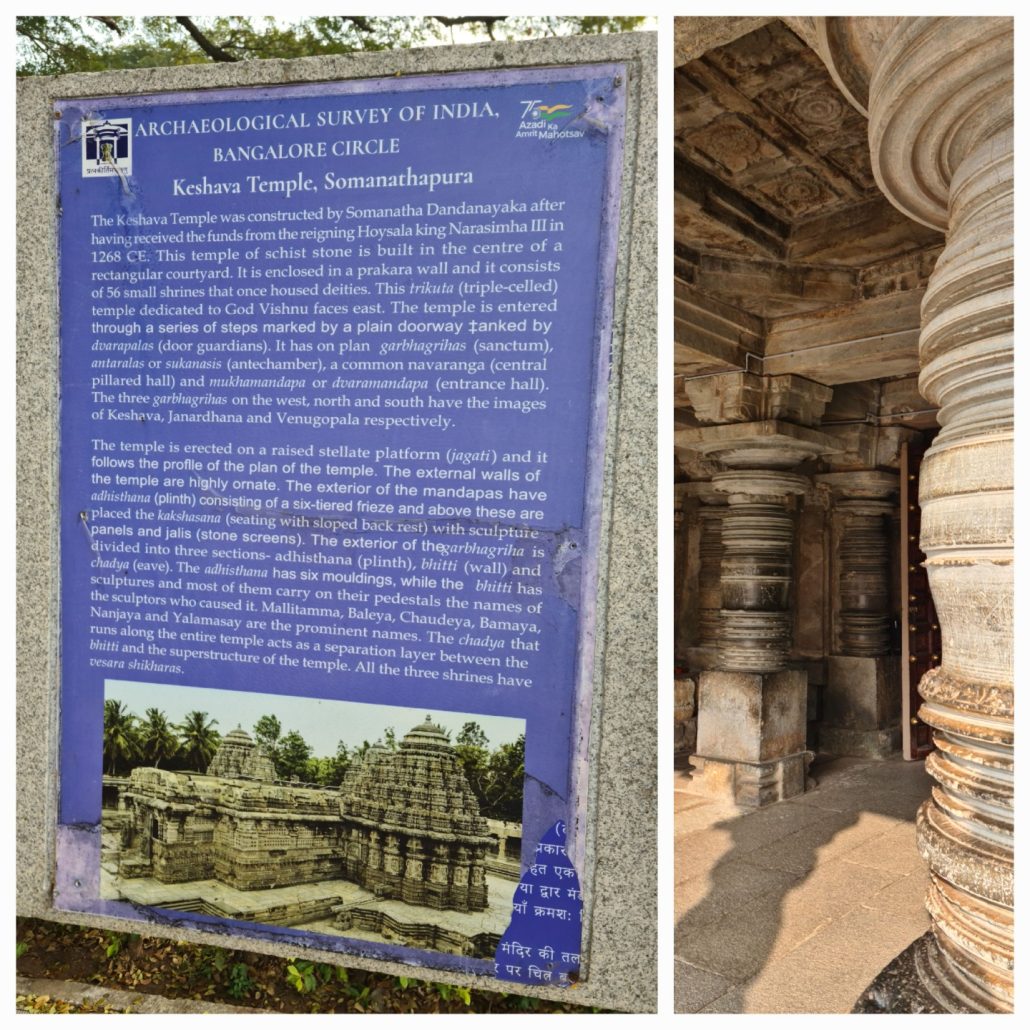
That something was the Chennakeshava Temple, some 38 km out of town at Somanathapura.
We called an Uber and were pleasantly surprised at the price quoted. When the driver showed up, he explained that the drivers were fighting Uber over mispricing longer trips. He said it wouldn’t pay him to go for the price quoted (about €10), but he would do it for €20 and pay the parking fee.
We had been rounding up our fares to the nearest 100 rupees, and I made a note to keep doing this in light of what he said. People have to make a living.
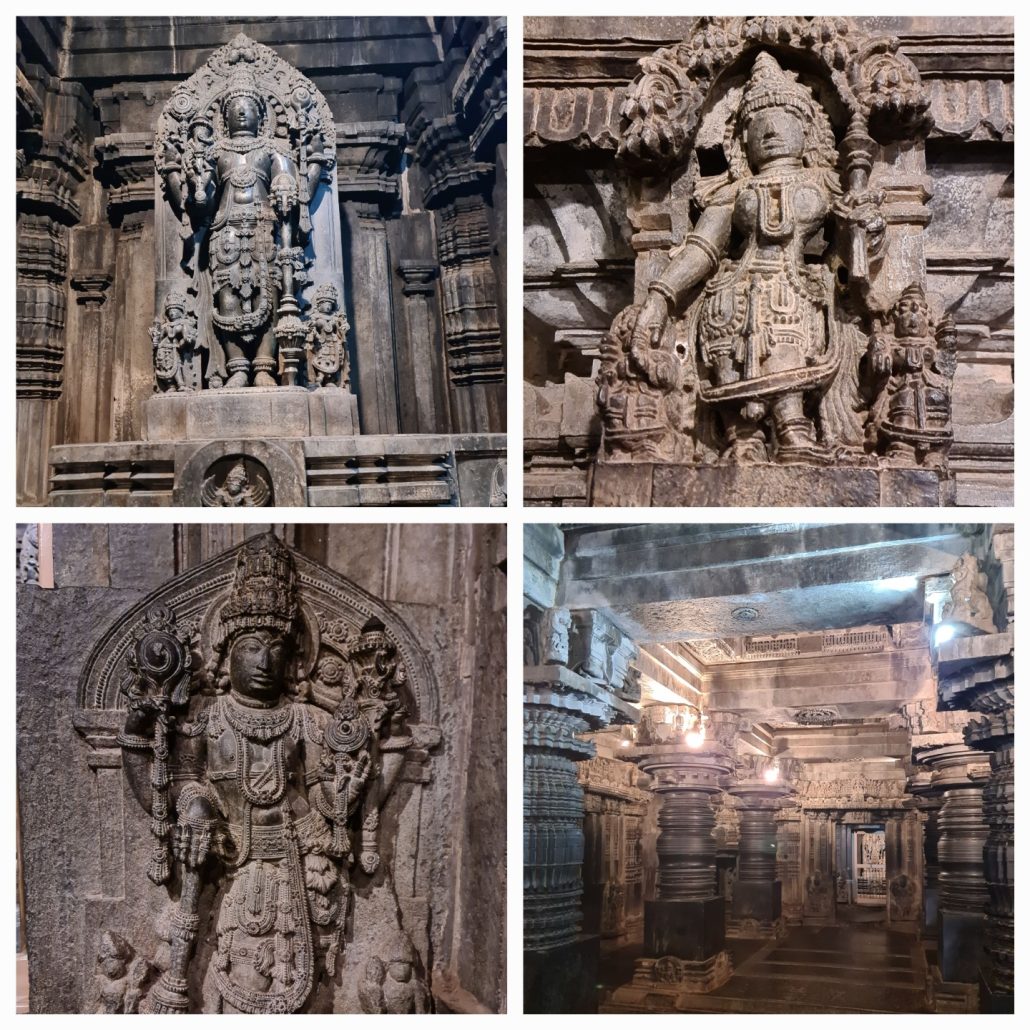
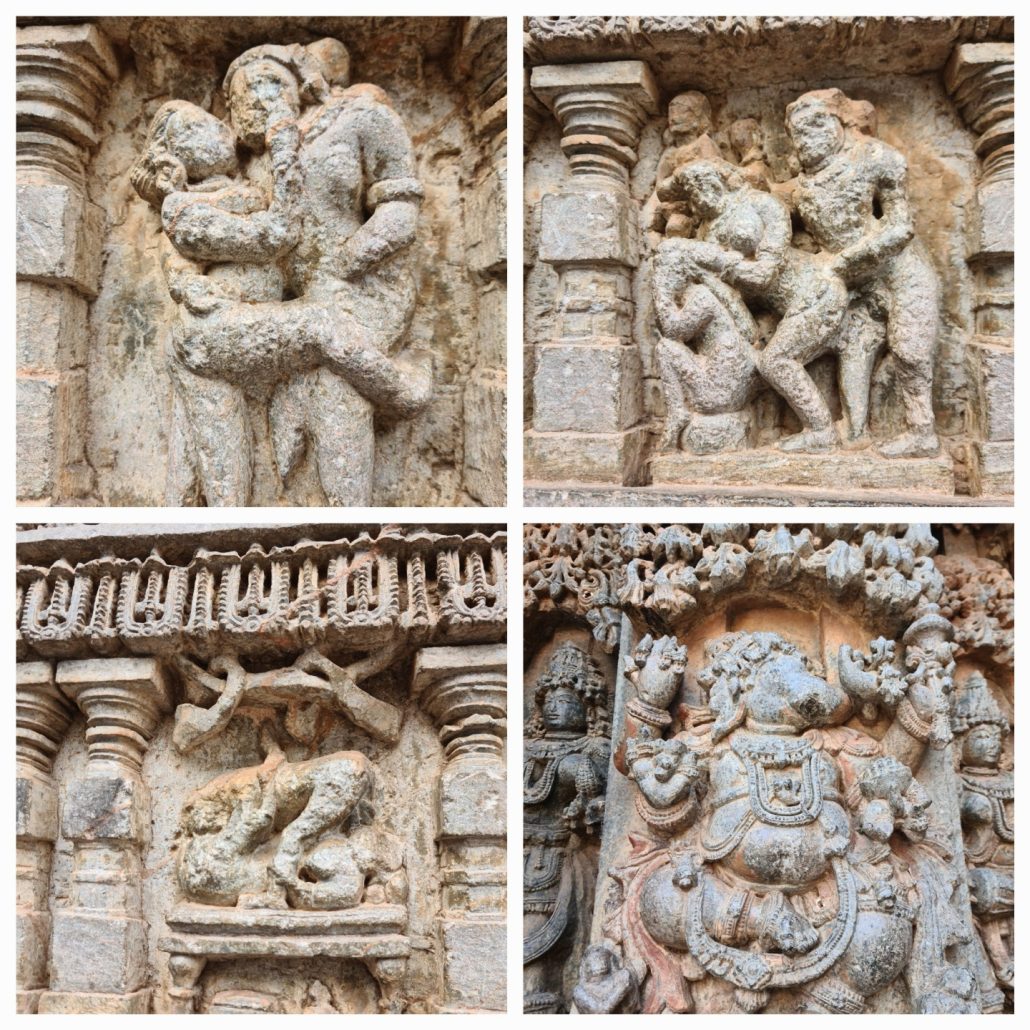
This temple, consecrated in 1258 CE, was practically deserted. A handful of people walked around admiring the intricate stone carvings. We turned down a young woman who offered to guide us through it all. She was a little put out, asking how we would fully understand what we were seeing.
But I didn’t need to fully understand. I could read about Hoysala architecture later.
Information overload is a danger here. With the god, Vishna, having more than a thousand different names, and with the post-independent changes and the litany of names that contributed to making Mysuru what it is today, I was already way behind in my understanding.
I didn’t need any more information.
We got the driver to drop us back into town, to the Green Hotel, housed in what was once the Chittaranjan Palace, built for Mysore’s princesses. This must have been some city in its day.
There, the kitchen was closed for an event, not opening till 7.30. We had time to kill and popped to the bar next door. We were really heading for Grandpa Joe’s for food as I hadn’t eaten all day, but we went into the wrong place. And it would have been rude to turn around and leave.
It was a classic Indian run-of-the-mill bar with drinks served from behind a caged counter. I think I’m safe in saying I was the first white gal ever to be served there and possibly the first woman at all.
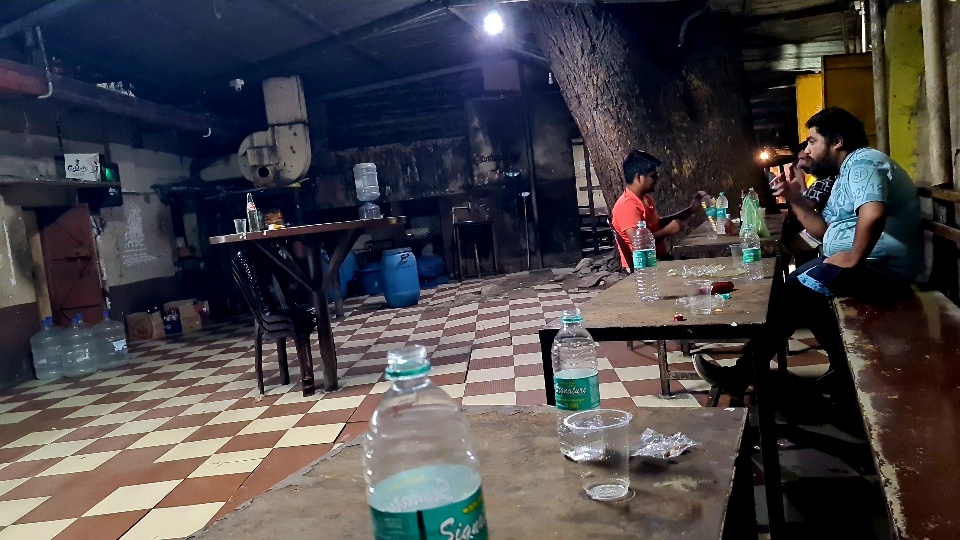
Everyone was really friendly. English was limited, and the floor was the ashtray. All quite the experience. Whiskey comes in small cartons, like single-serve juice, and seems to be the drink of choice.
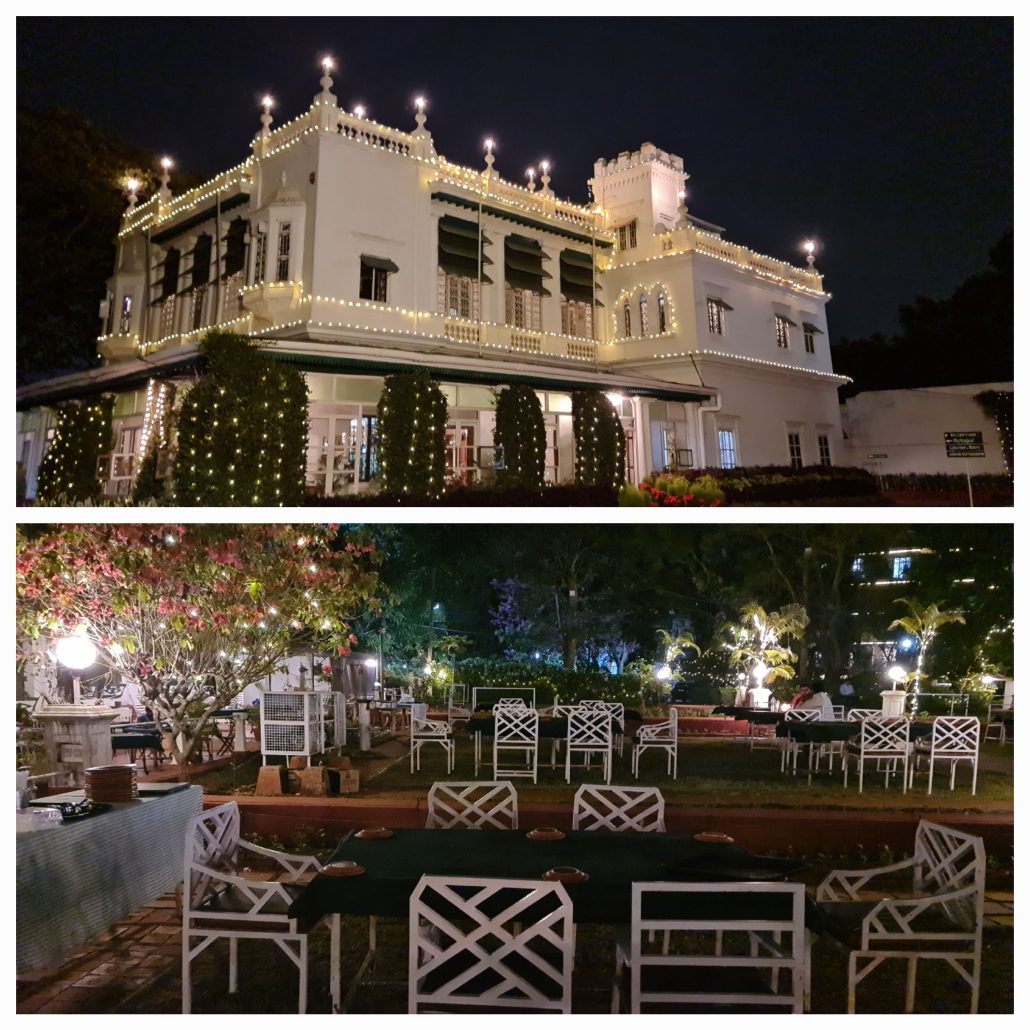
Back at the Green Hotel, dinner was amazingly good. Not as good as Chennai, but up there. And the local Indian wine was more than simply palatable. The space is gorgeous, with fairy lights draped across the garden and the white stone palace glistening. Rooms seem reasonably priced, and judging by the clientele, it’s a popular spot with foreigners.
Depending on what you read, either all the profits or 15% of the profits go to fund sustainable initiatives in the area. The Malgudi Café says it’s the only woman-run bakery in the country, with the bakers French trained. By my reckoning, all the waiters were men, so I’m not sure how this works. Perhaps the women are in charge. And if so, kudos to them.
I suspected that if we didn’t find a better option the next evening, we might well pop back.
From there, it was back to our palace, to our nightly nightcap with Madhu S and a catch-up with Suhas to plan our final day in the city.

2 responses