

Headed to Poland, to the Tatras, driving, we needed to break up the journey and overnight somewhere.
I left it to himself to choose. I wasn’t all that pushed where we ended up. He chose Banská Štiavnica in Slovakia.
He chose well.
He booked a flat over a pizzeria. Apartmány Svätá Barborka.
I had no clue what to expect, but €60 buys you a lot in this UNESCO town (11 December 1993), off season.
It was stunning.
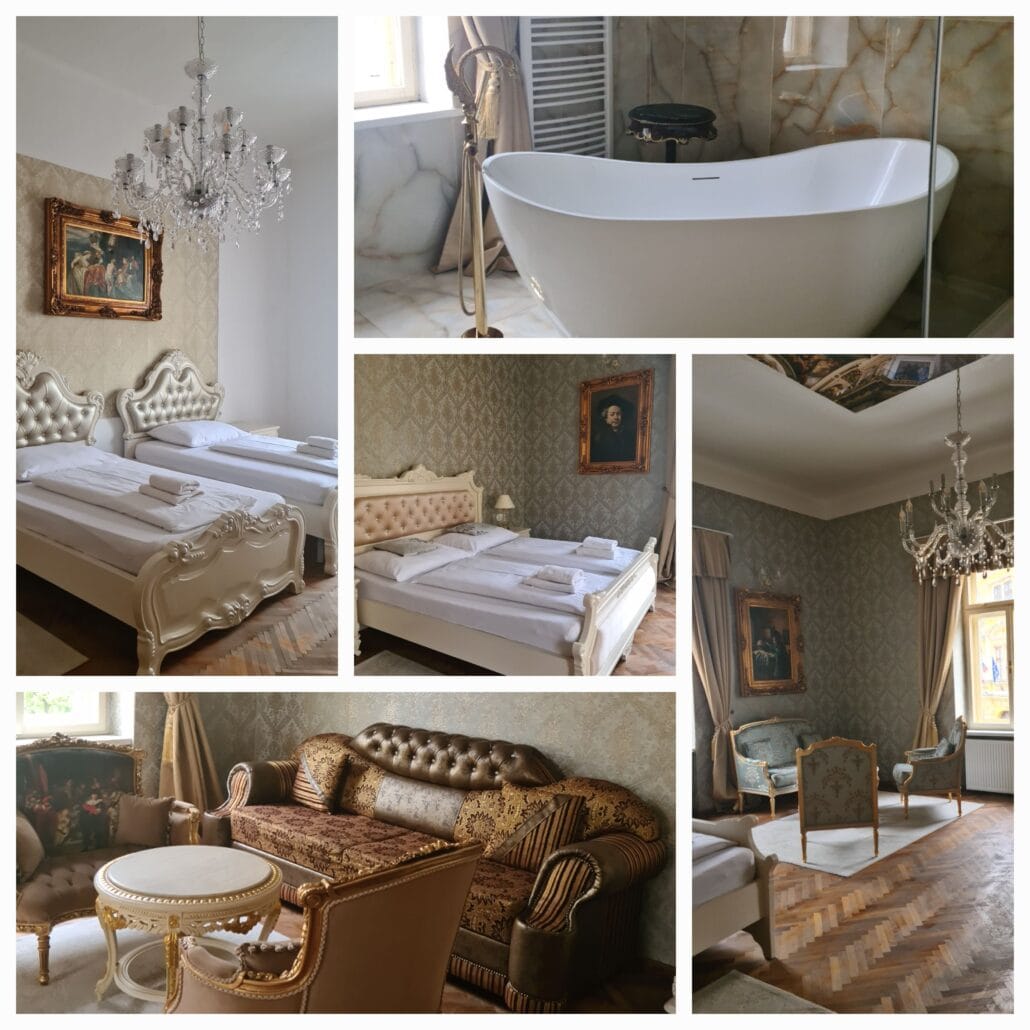
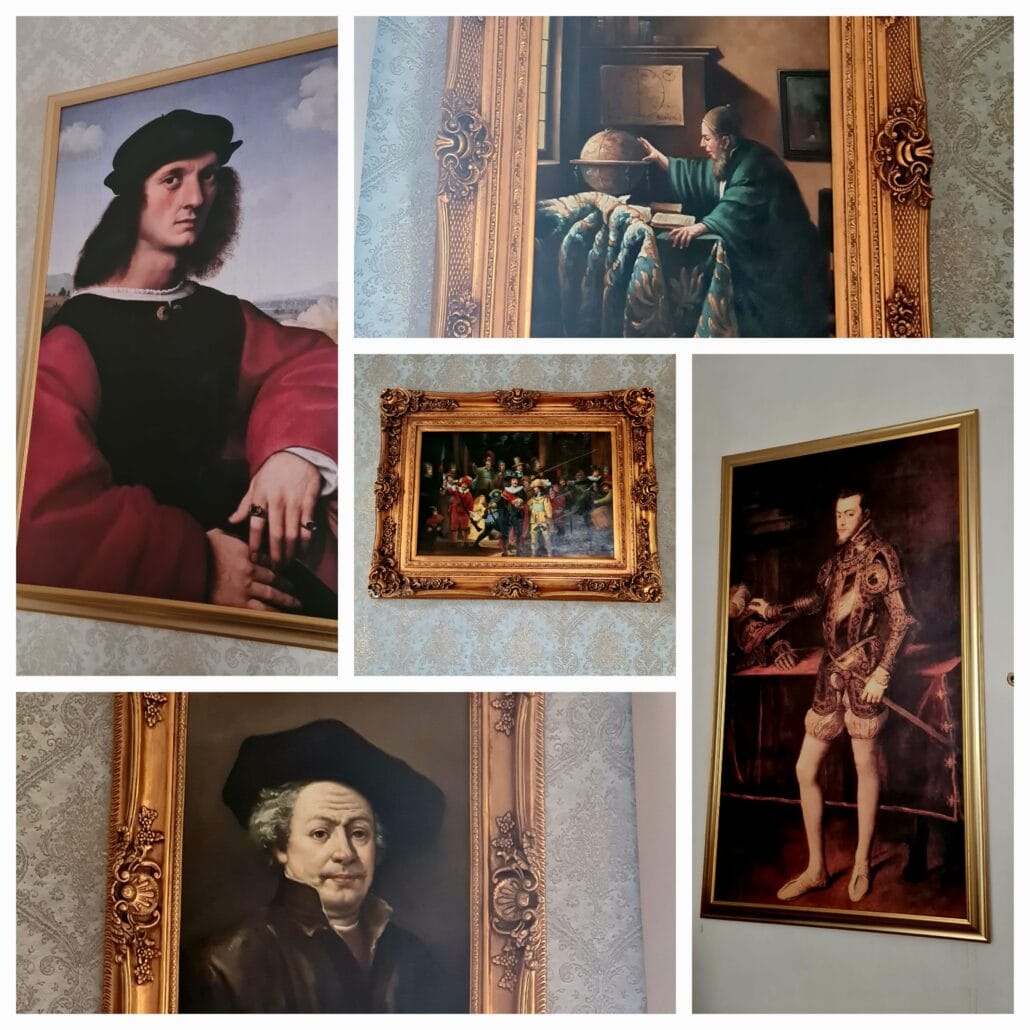
And the town is stunning, too.
Medieval. Completely preserved. Home to about 10,000 people and twinned with Tatabánya in Hungary.
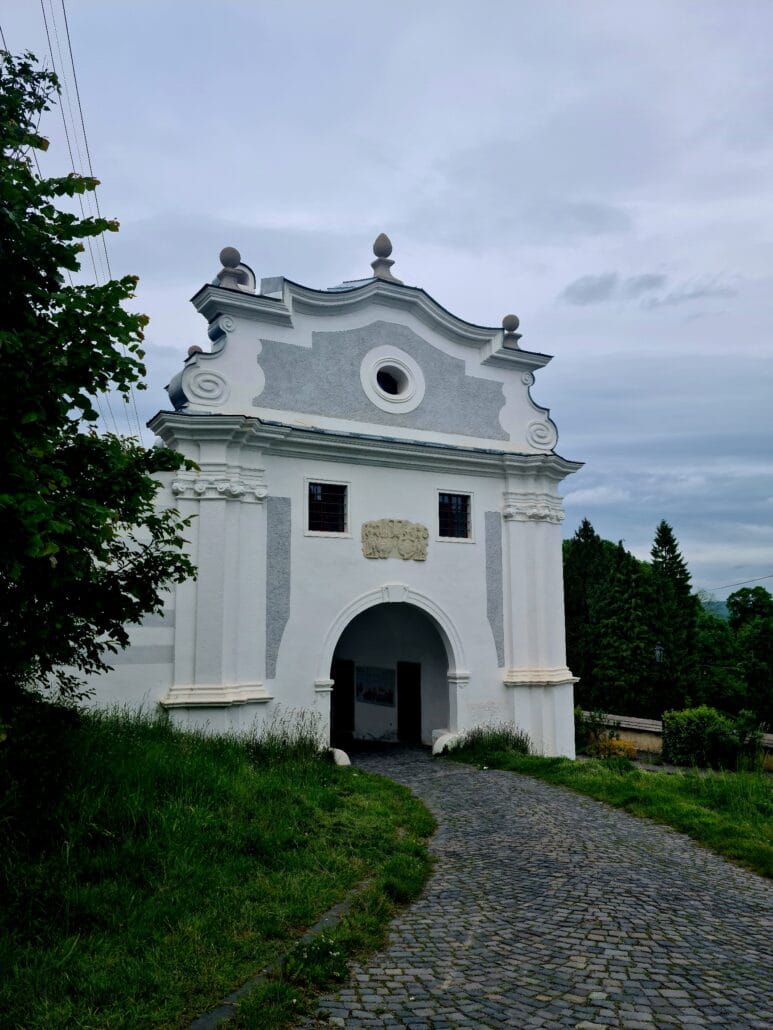
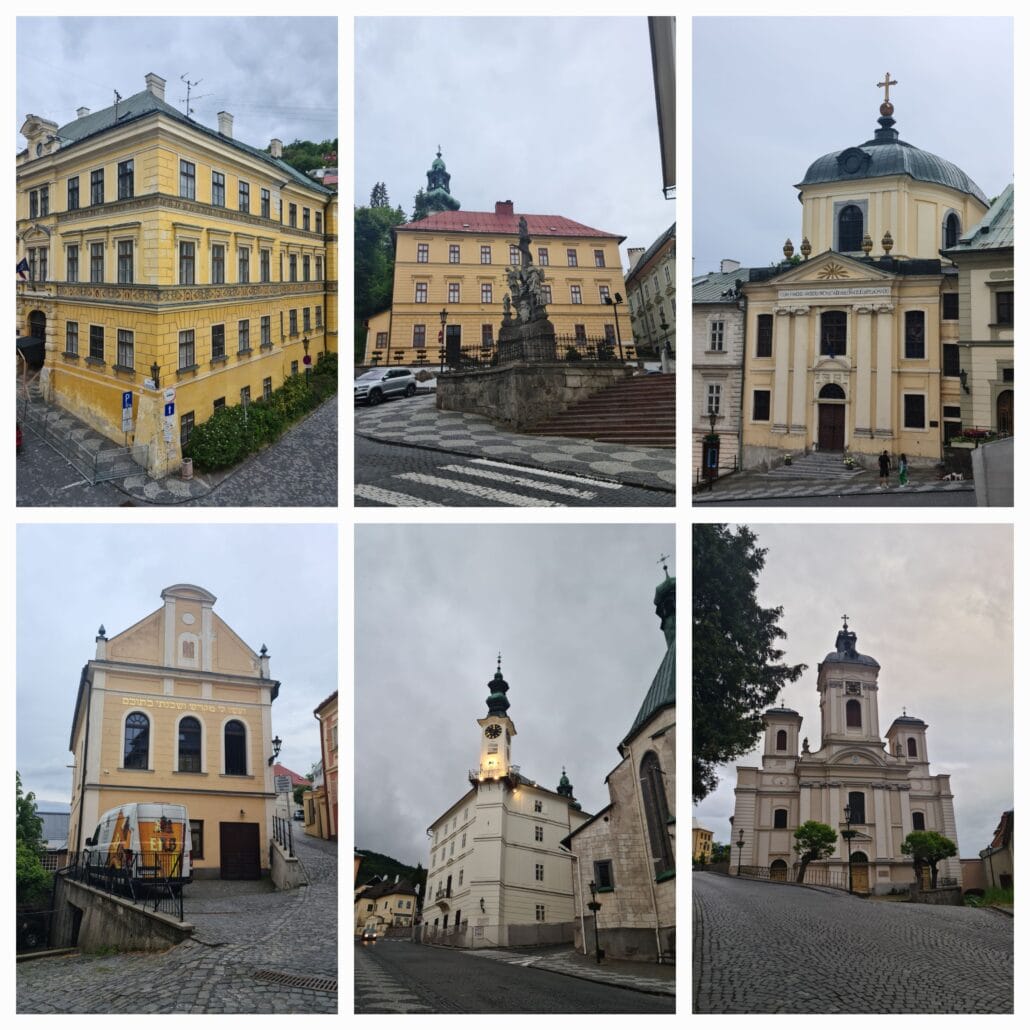
Sitting in a huge caldera born from a collapsed volcano.
The city of Banská Štiavnica lies within a caldera , which was formed approximately 13.5 million years ago by the collapse of the core of the Štiavnica stratovolcano into the Pannonian Sea after a series of eruptions, which created the area around the city today called the Štiavnica Hills in the southern part of central Slovakia.
Originally settled by the Celts in the third century BC, they were the original gold miners. Over the centuries, both gold and silver were mined here. It was once one of the most productive ore deposits in Europe.
Gold and silver mining peaked in 1690, when 605 kg of gold and 29,000 kg of silver were mined.
It is home to the first mining school in Europe and the oldest technical school.
It has an old castle and a new castle, both anti-Turk fortresses in their day.
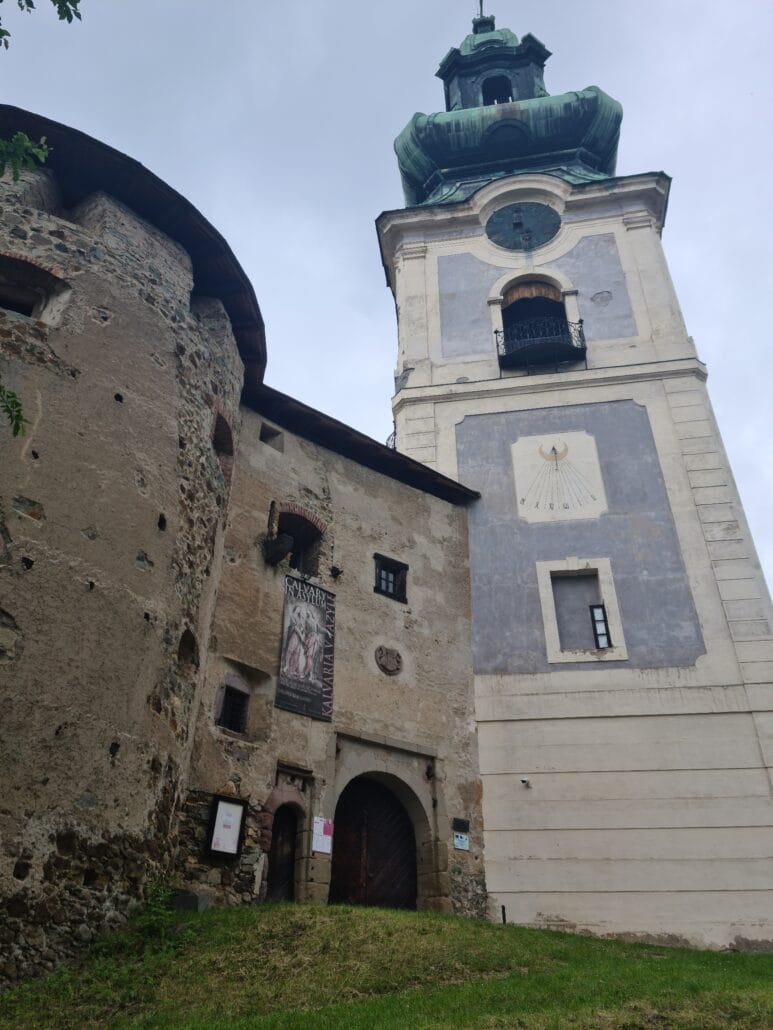
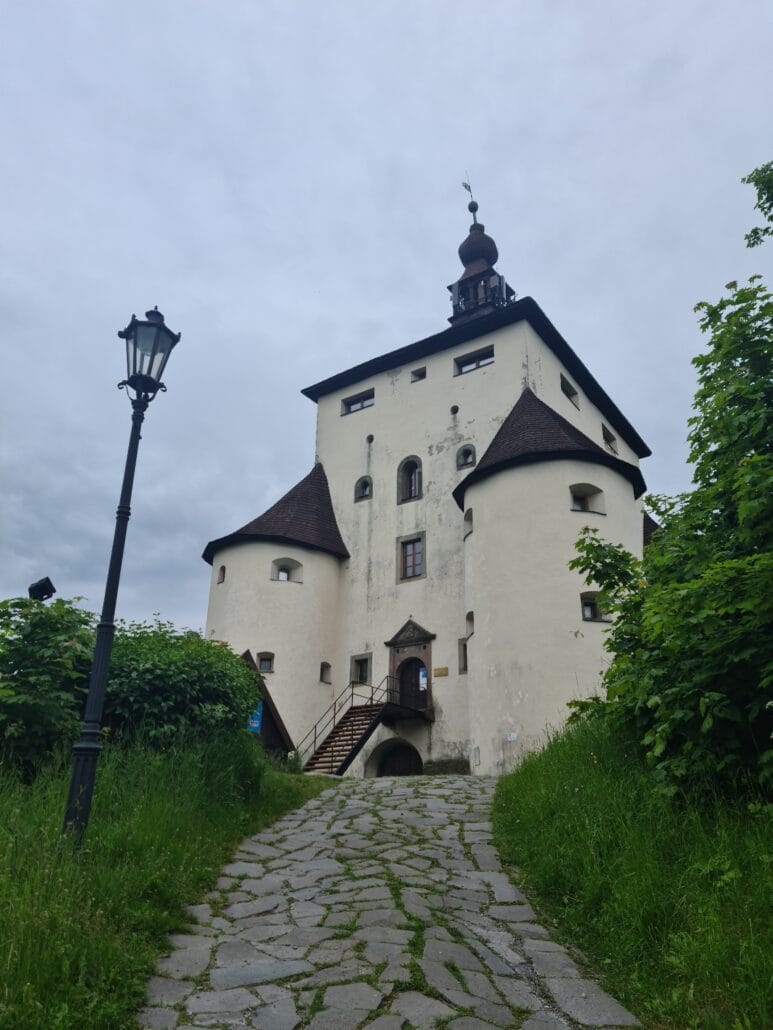
The views from above are special. I could see an impressive-looking 18th-century Baroque calvary in the distance and noted it for next time.
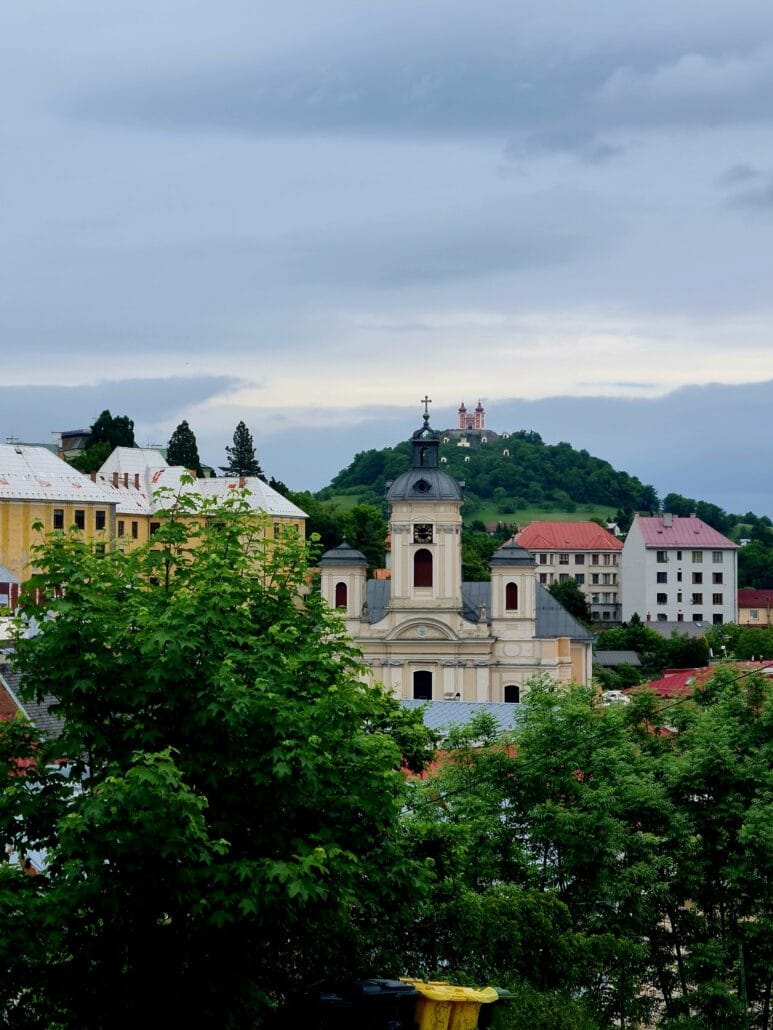
But for all its antiquity, Banská Štiavnica is surprisingly with it.
My with-it measure these days is whether I can get non-dairy milk.
And I could. At the delightful Kaviareň čarodejka. It was a truly excellent coffee.
Himself went for the Tatra Tea – a tea-based herbal liqueur made by the family-owned KARLOFF company in Kežmarok since 2002.
When we left, it was pouring – I was tempted to sit it out, but the place was too comfortable and the service so good that one more drink could have turned into three. Getting wet seemed the more pragmatic option, given we had to find the Tatras the next day.
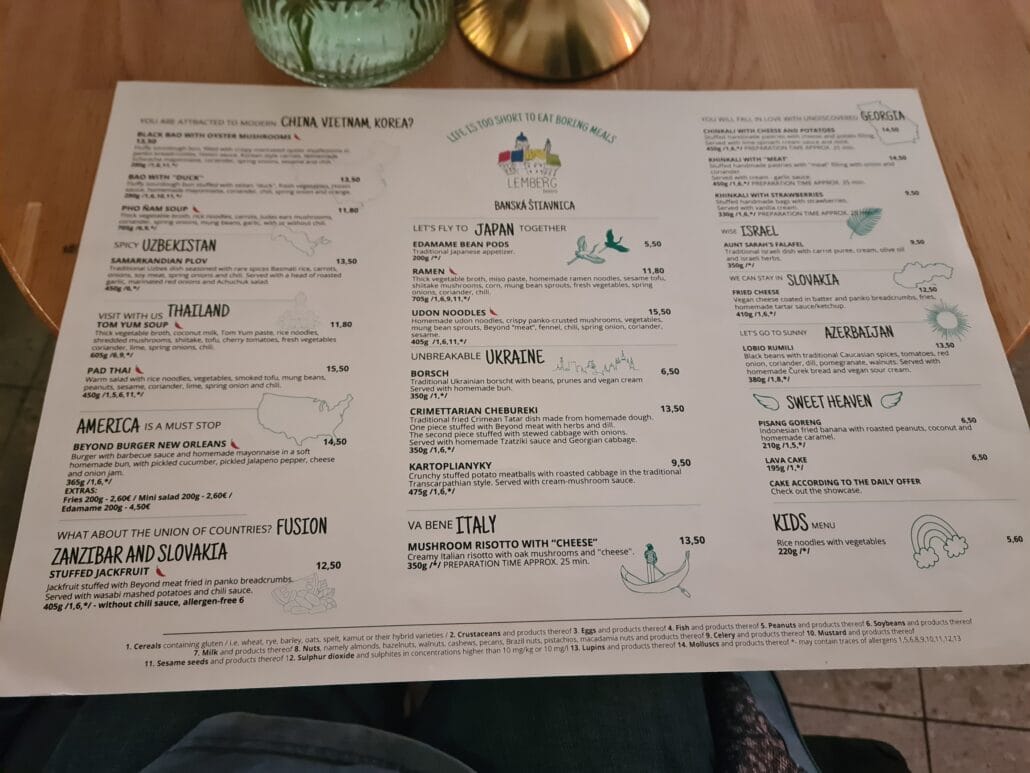
Another with-it measure is whether I can find a vegan restaurant or at least a restaurant that offers non-dairy vegetarian options.
And again, we lucked out with the fab Lemberg Bistro and its culinary tour of the world.
We had a disappointing cocktail at the top-rated Arch Angel bar (so much for reviews) but we finished well with a lovely hour at the Art Café. If I lived here, I’d be a regular.
Interestingly, the three good spots all had women running the show.
Just sayin’. Just sayin’.
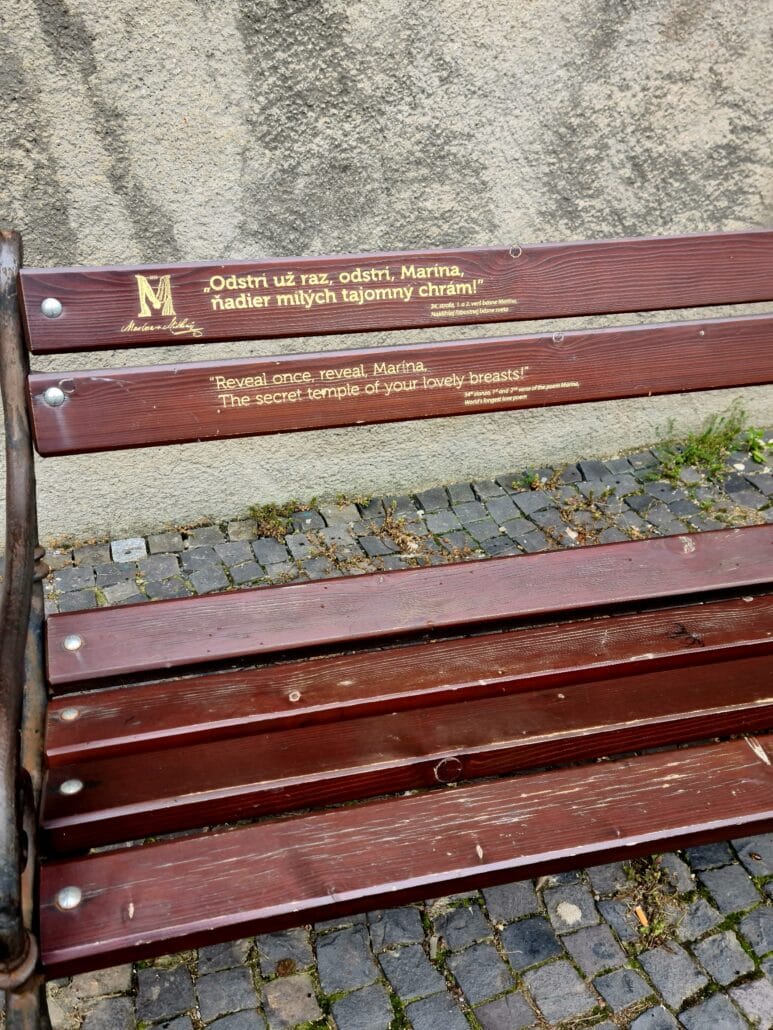
I noticed that the street benches all had lines from the same poem. Marina. Said to be the longest love poem in the world, it is the foundation of the world’s only Love Bank.
The love bank in Banská Štiavnica not only harbors the longest love poem in the world, entitled Marína, but people can store items that remind them of their loved ones, friends, family, and even pets, be it photos, letters, rings, or cinema tickets from their first date. […] The vault, located in the historic House of Marína where she lived and secretly kept the manuscript, contains 100,000 tiny boxes. Each bears a single letter, punctuation mark or space from the original manuscript of the poem.
The antithesis of Zagreb’s Museum of Broken Relationships.
Sadly, it was destroyed by fire in 2023; from what I gather, though, it is set to reopen next year.
Banská Štiavnica at night is the stuff fairy tales are made of. Especially after it’s been raining and the cobblestones are wet.

On our way out of town the following morning, we stopped off at the open-air mine museum and joined a school group for the 9 am tour. And yes. Hardhats are necessary. I was in the middle of reading Ken Follett’s The Fall of Giants, so I was in the mining mood and knew a little more about mining than I did last week.
I’d recommend it.
And again, run by a woman, who very kindly let us join the kids rather than wait for the next tour. 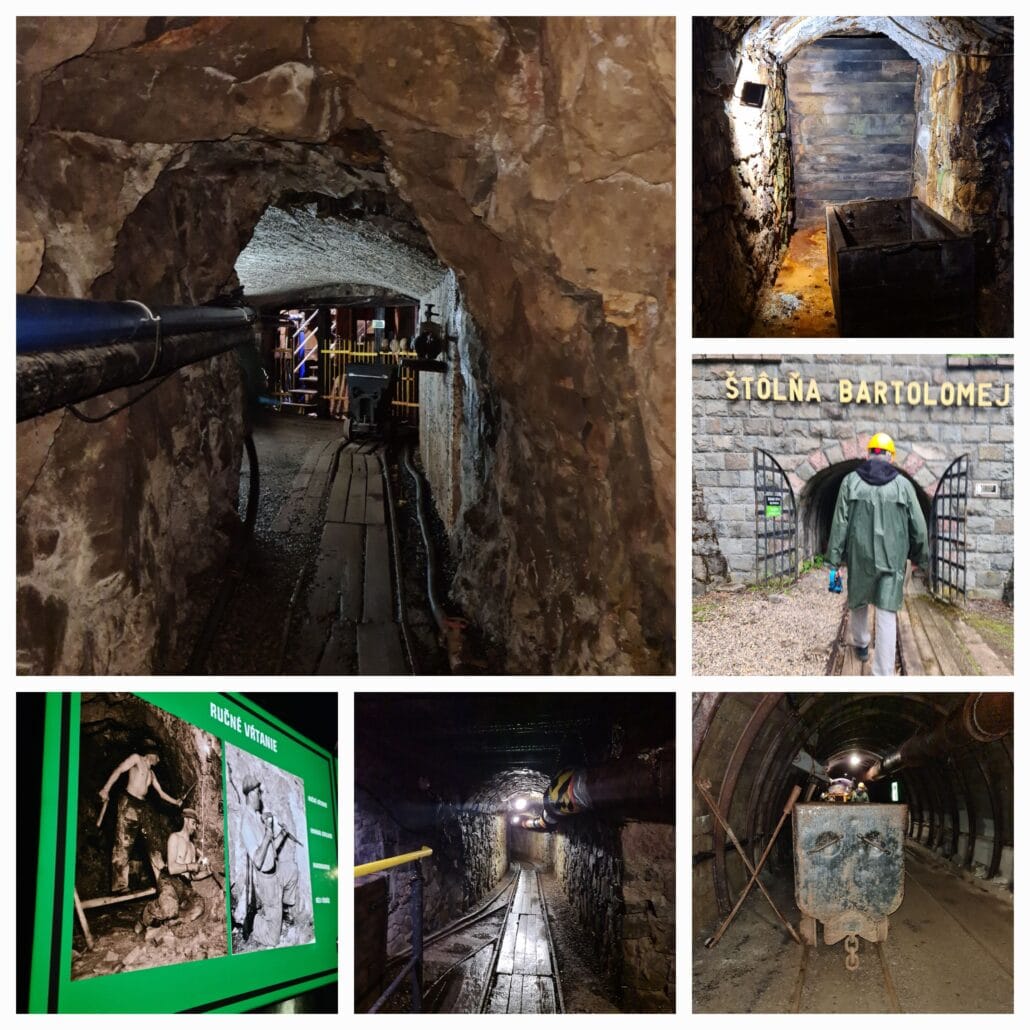 I had no expectations of Banská Štiavnica. I wasn’t on my radar. I didn’t know it even existed.
Kudos to himself. It was an excellent find. I’d highly recommend it.
Note to self for next time
- Betlehem – the history of the town in wood
- Amplion festival (street art and cabaret theatre) in September
- Autumn wine walk

3 responses
Kudos to “himself” indeed – a lovely read, and a great reminder to enjoy the journey, not just focusing on the destination!
Interesting that it’s twinned with Tatabanya – I went there regularly for work in the late 90s.
Thanks, Pat M
Come visit again…