

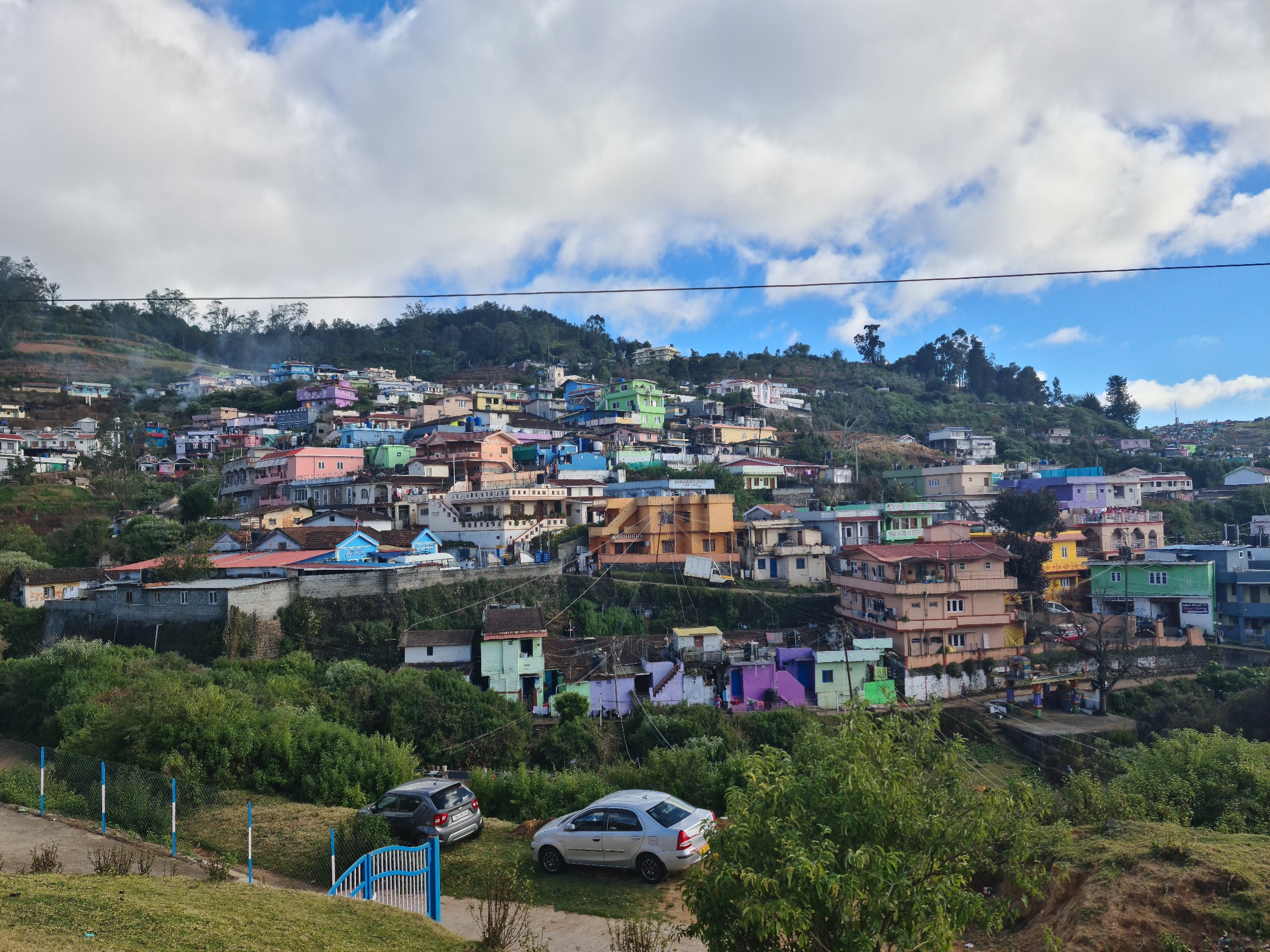
Ever since we started talking about visiting India, I’d been looking forward to seeing the hill stations, those mountain towns where the British retreated to, to get away from the heat. I wanted to see the bungalows, to see where our use of the term had come from.
The word “bungalow” originates from the Hindi/Bengali word originates from the Hindi/Bengali word baṅglā (or bengala), meaning “belonging to Bengal” or “in the Bengali style” referring to simple, single-story houses with verandas built for Europeans in India during the British Raj.
Our first port of call after a gruelling day of travelling was the town of Ooty. When the British arrived in 1821, they mangled the local name Udhagamandalam into a more pronounceable Ootcamund, which was gradually shortened to Ooty. And Ooty is still what the town is commonly referred to, even if, in 1972, it was officially changed back to its original mouthful of Udhagamandalam.
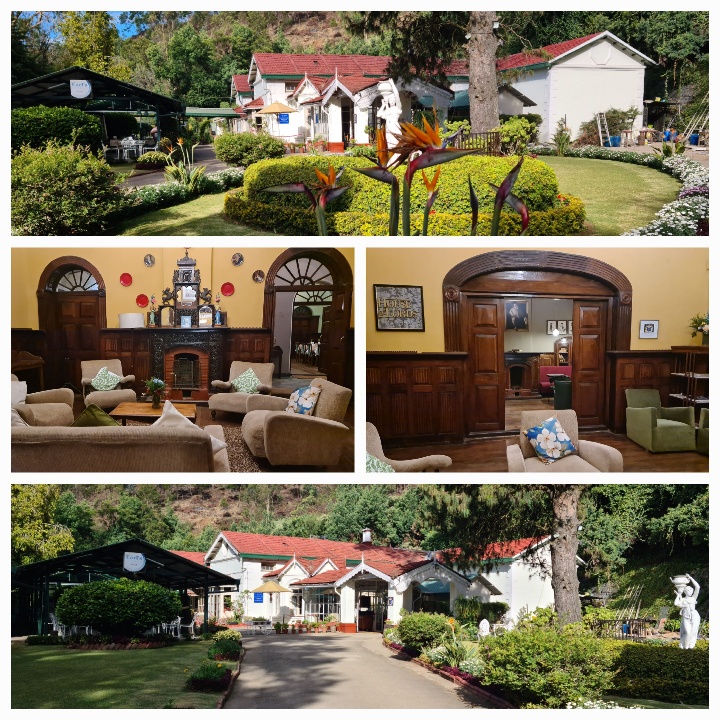
I had chosen our hotel, King’s Cliff, because it was one of those bungalows.
More than 100 years ago in Ooty, this was the majestic residence of Lady Maybn and Lord Reginald. It was the playground for the rich and famous of the Raj era.
I couldn’t see past the padlock on our door, though, and the noise from the restaurant; as himself was a tad under the weather and battling a bad cold, he needed sleep. So we upgraded to one of the 9 Shakespeare themed rooms. And to think I’d pooh-poohed a hotel with Sherlock Holmes themed rooms!
We were a little farther from the town than we’d have liked – I hate being dependent on others to get around, but as we spent most of the day exploring, it worked out well in the end.
But back to the British and the Raj and how they came to Ooty in the first place.
Englishman, John Sullivan is credited with discovering the Nilgiris Plateau in the Western Ghats in 1819; it had always been there, so presumably by discovered, they mean the first to mount an expedition and explore the area. Before he brought the rest of the British with him, indigenous tribes like the Toda lived there. Renuka Kulkarni wrote a fascinating piece for The Wire on the area, the Toda, and the British – How British sentimentality shaped a corner of the Nilgiris. The best of intentions can wreak havoc on a landscape.
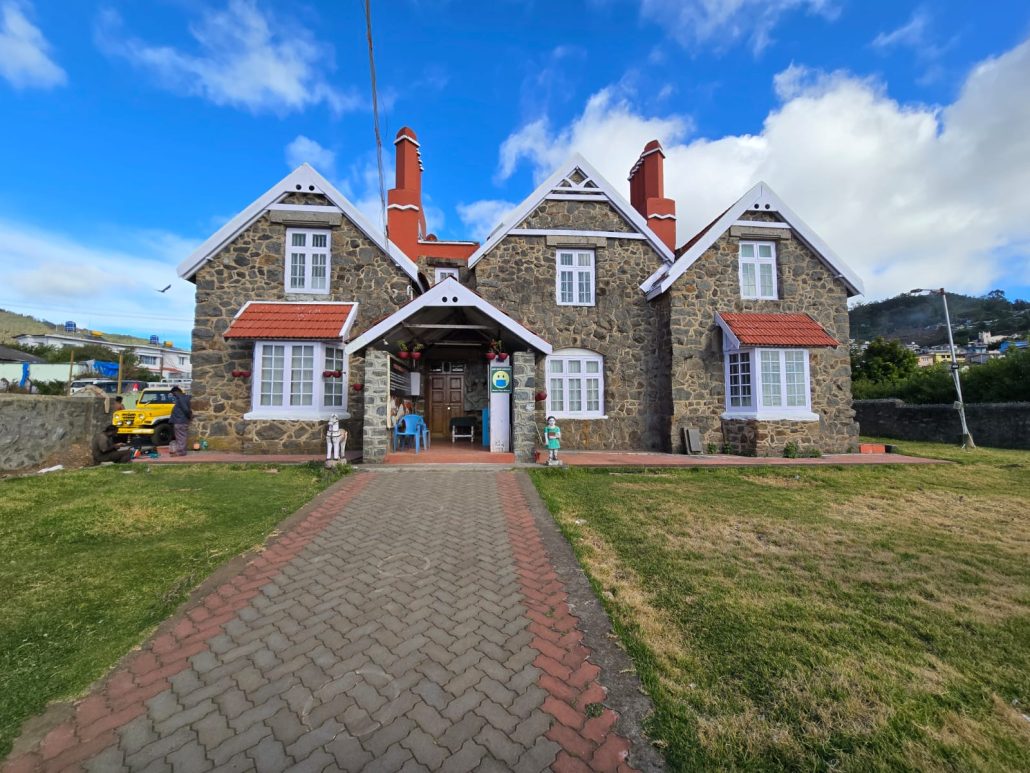
Sullivan first came to Ooty in 1821, bringing with him the idea to plant tea. He bought some land from the Toda and built his bungalow. It’s now a museum, open on the second Saturday of the month and on holidays. Or whenever. We missed it.
This part of the world is famous for its tea. I’ve latched onto white tea as it’s supposed to be good for reducing cholesterol. I’ve developed a liking for lemon tea, too. I’m going to leave the whole plantation thing, though, until we get to Munnar.
Our first day was a wash. Himself wasn’t feeling well, and we were both tired and cranky and battling the altitude, some 7,700 feet above sea level. Constant headache, shortness of breath, and fatigue.
I’d been on edge since the night before but was too tired to recognise the markers that scream PANIC ATTACK ON THE WAY.
I went on an emergency run to find some medicine. It’s a great system. You pop into a medicine shop or pharmacy, tell them what ails you, and they prescribe. I’ll be packing some turmeric cough pastilles in my suitcase going home.
Shiva had dropped me at one pharmacy and said something I didn’t catch. I assumed it to be that he’d park just over the road. I struck out at the first place (I had a list of what to get supplied by the indispensable TS) and moved on up the street to try another. And another. At this stage, my breathing was getting more rapid, and I was on the verge of tears. I’d turned off my Hungarian SIM card as the roaming fees are extortionate and was hotspotting from himself’s phone – which was parked beside the bed in the hotel room.
Intellectually, I knew that all I had to do was find a café and use their wifi to call Shiva. Or I could tuktuk back to the hotel and call him from there. It was no big deal. But I was beyond reasoning. I was on the verge of hyperventilating when he found me standing in the middle of a roundabout and caught the brunt of it all.
I was mortified. Day 2 of our relationship, and already I was coming off as a mad one.
Knowing things is one thing. Reacting to them is another. India is incredible. Incredibly beautiful. Incredibly fascinating. And incredibly frustrating if you don’t check your western mindset at passport control. Things just don’t work the same way. The noise. The crowds. The smells. It’s a sensory onslaught that, like altitude, needs acclimatisation.
I’d be fine. It’d just take time.
We eventually found what I needed and headed back to the hotel.
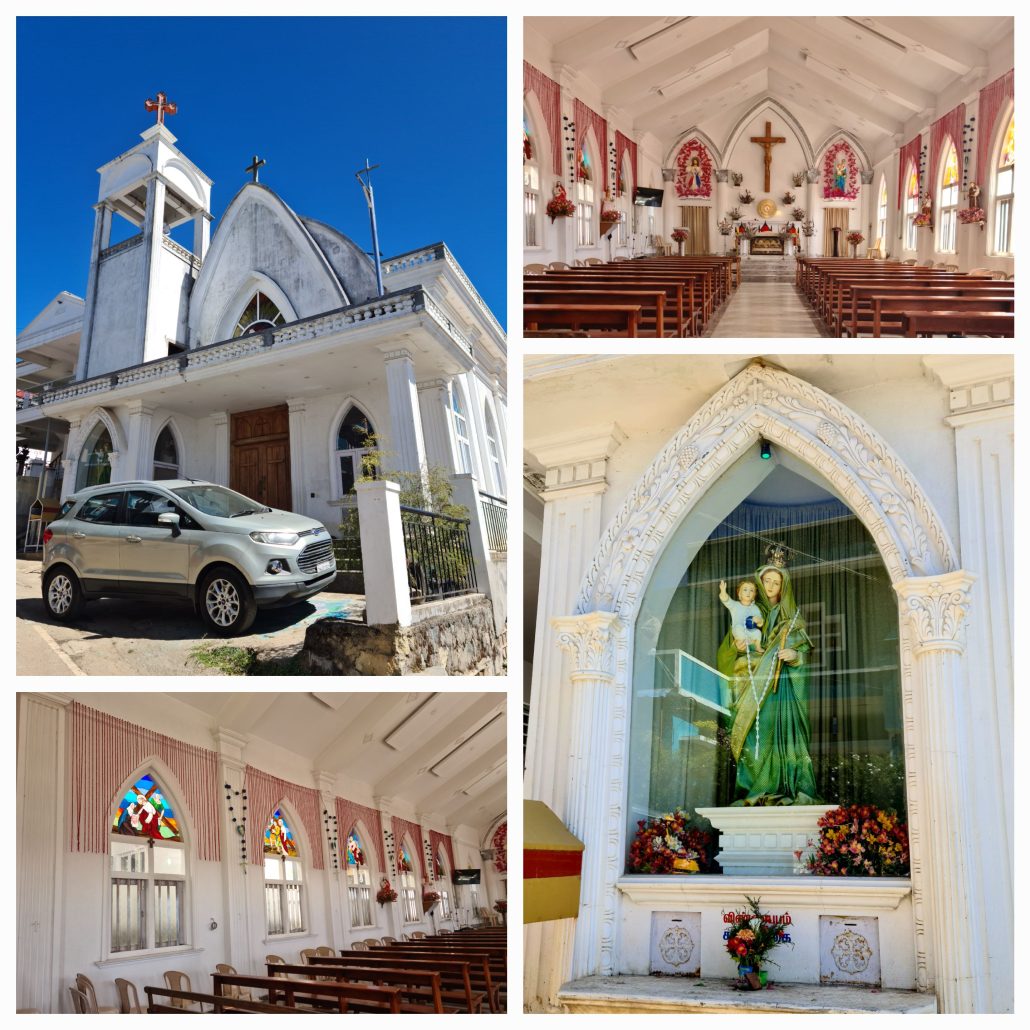
On the way, I spotted a sign for the Church of the Holy Rosary. It’s in a little neighbourhood called Rosemount. We drove down an impossibly narrow road to where it dead-ended. A nice man, seeing me taking a photo, offered to open the church for me. We got chatting, and he told me that they’d mass every day at 6. We’d walk down a couple of days later to get evening mass in Tamil and would luck out with a young priest who had a great voice He would have pleased my dad with his no-frills sermon. Boss would have loved him.
Day 2 dawned without us having much of a plan. We’d no clear idea of what we wanted to do or see, so were happy to go where we were taken.
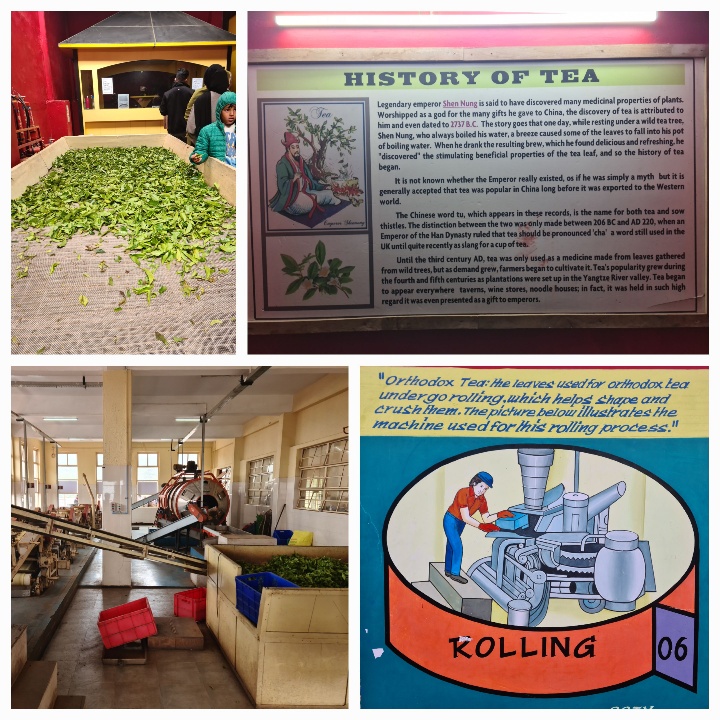
The Benchmark Tea and Chocolate Factory is a madhouse. Partly educational, it’s mostly a massive sales exercise that attracts thousands who jostle through the cordons, shepherded through the sweet counters, tea stands, and tat-laden shops. Once you’re in, there’s nowhere to go but forward. We were the only white kids and the only ones not buying.
It’s a goldmine.
I’d never heard of Orthodox Tea before. And I’d never realised that tea tasting is like wine tasting. And that skilled tea tasters can tell if a processing plant has been painted recently!
Out in the hills, we were treated to the must-sees. The planned tour was aborted after the third stop; a case of mismatched expectations. We weren’t interested in the usual. I find it curious to see what people think will interest me. Or not even me as me, but me as a foreigner, and a European one at that.
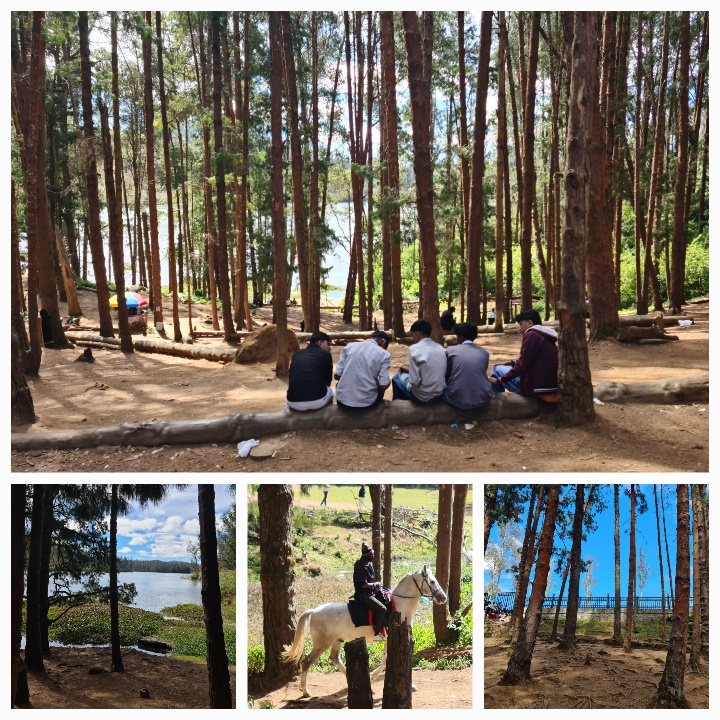
First up was the Pine Forest. Originally planted by the British for commercial timber, it’s now what the locals call a major ‘shooting spot’ – as in it’s appeared in many movies and attracts hundreds of selfie-takers daily. It was lovely – but as pine forests go, the only thing different about it was the sheer number of people.
As an aside, I’ve noticed that young Indian males are way more vain than their female counterparts. It’s hilarious to see how they fix their hair, checking their image in their phone, before posing for that photo.
There was a second shooting point up the road. A hill with a well-worn path to the top that was ablaze with colour as a train of people filed up to take photos from the top – photos of themselves, with the view as a backdrop. I didn’t take long to decide I wasn’t all that curious about the view or that keen to spend the day in nature if it meant sharing it with so many others. In this huge county, my sense of proportion has skewed. What appears crowded to me is a ‘there’s hardly anyone here’ to Shivanandran.
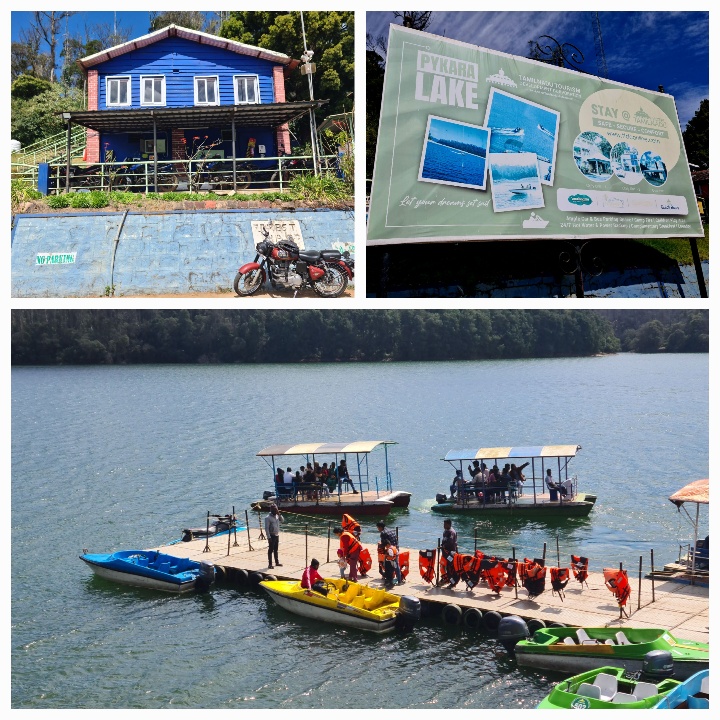
Our third stop was Pykara Lake, a reservoir that is a popular spot for tourists, anxious to pile on to a boat and get out on the water to take more selfies.
All well and good but not quite what I’d come to Ooty to see.
Ooty, for me, was meant to be about the days of the Raj, getting a glimpse into what life was like for the British in India.
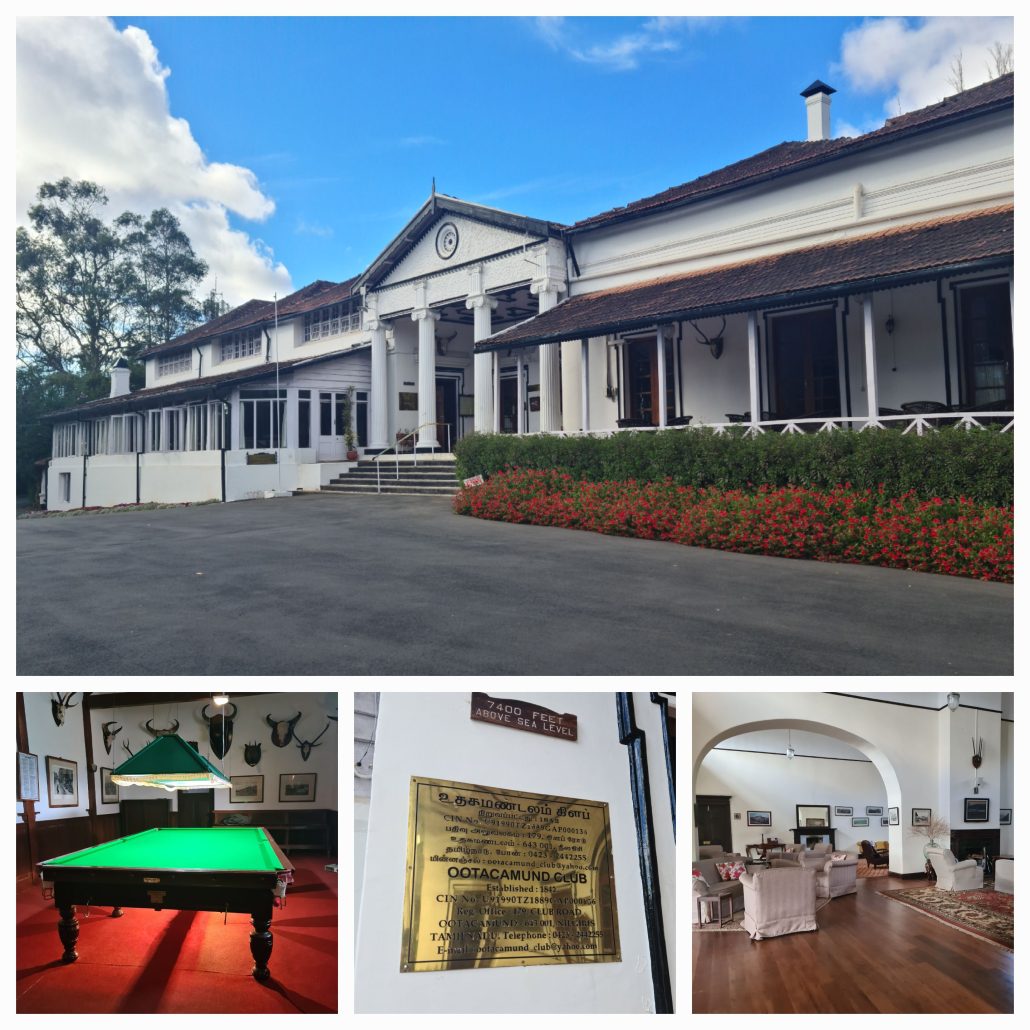
The absolute highlight of our couple of days there was blagging my way into the members-only Ootacamund Club to see the actual table in the actual room where the rules of snooker were decided.
The game Snooker, though first thought up in an officer’s Mess in Jabalpur in Madhya Pradesh, around 1875, took serious root in the Ooty club, where Sir Neville Chamberlain first posted its rules. History was created, and is preserved with reverence, in the Billiards room.
My snooker references are still Dennis Taylor, Alex Hurricane Higgins, and Steve Davis. I’m dating myself, I know. Still, there was something almost sacred about being in that Billiards room and touching the table, knowing that it was where it all happened.
Reading the list of affiliated clubs around the world tells me that I really have no idea how the other half live. Interestingly, a circular from the early days gives some insights into why these clubs were born:
“Much of it will be seen, has already been done, and with, but, limited means. It depends on an enlightened 7 liberal public to assist in carrying out what yet remains to be done, and the committee of management is now appealing to the whole Indian Community for their assistance and support, do so with the more confidence that their object is not only the limited one of adding to the comfort and convenience of a few, but the far higher one of smoothing the pillows and raising the languishing head of sickness and sorrow – of affording so far as may be, to the numerous sufferers from the effects of a tropical climate, a substitute for those comforts and conveniences otherwise only procurable in their native land, which they are forbidden by distance, want of time, and means, to partake of at their source.”
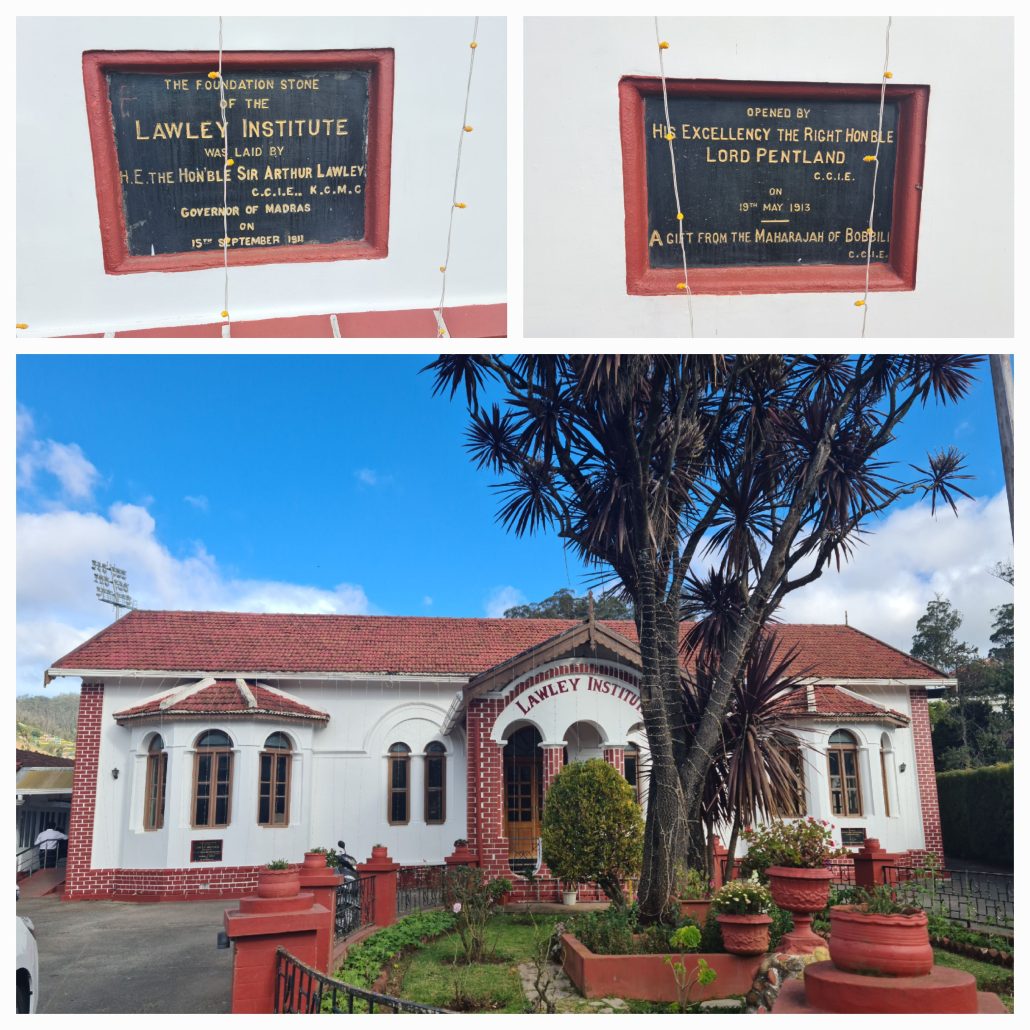
Our search for the Ootacamund Club first took us to the Lawley Institute, a younger club, established in 1911:
A Century ago, stringent British rules restricted the ambitious Indians from being members in any Club in the little town of Ooty. Having vested interest in the various attractions of the Queen of Hill Stations the thoughtful erstwhile Maharajah of Bobbli also the then Prime Minister of Madras state took the initiative in the formation of a trust exclusively for the Indians by magnanimously donating a sum of Rs 30.000/-. The trust deed very clearly specified the facilities to be provided to the Indian residents. The Membership was classified as resident, non-resident and temporary Government servants posted in the Nilgiris District.
The irony of the foundation stone being laid by the Honorable Sir Arthur Lawley and the club being named after him wasn’t lost on me.
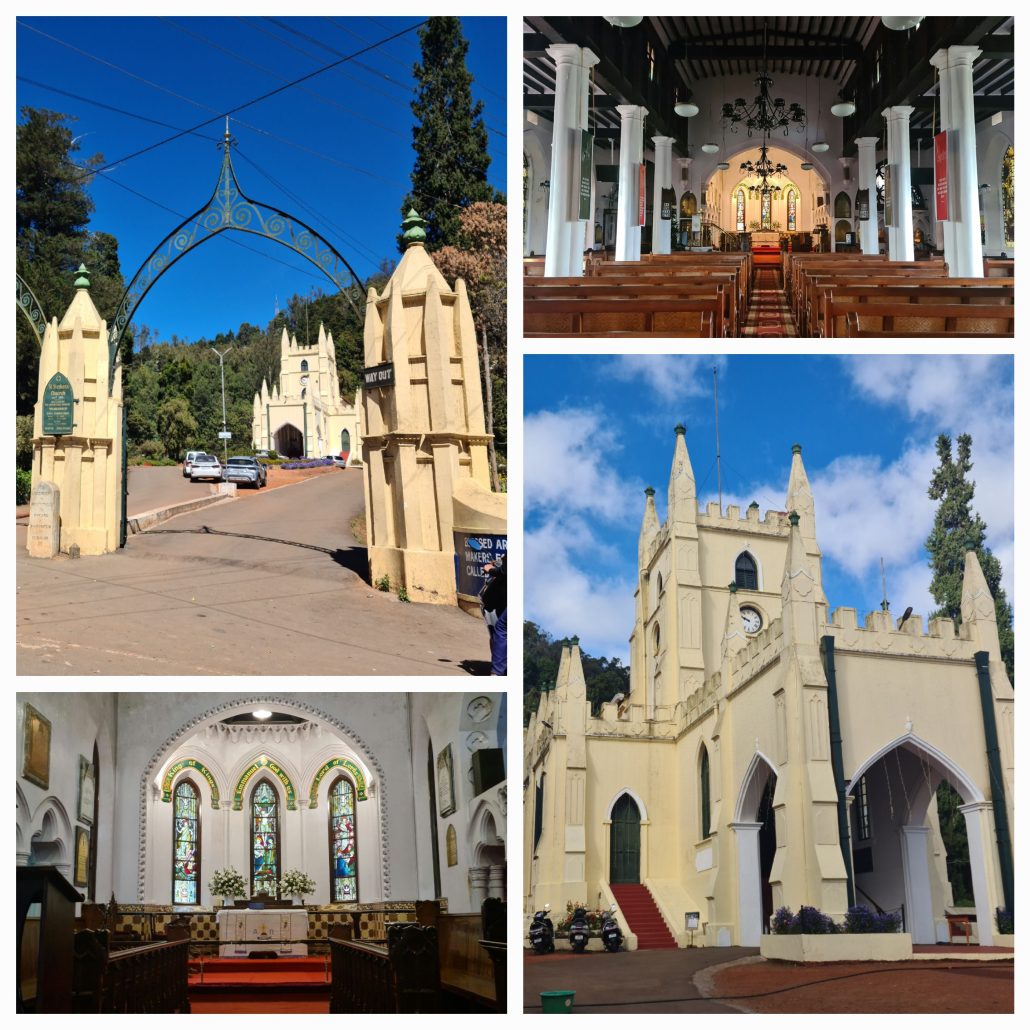
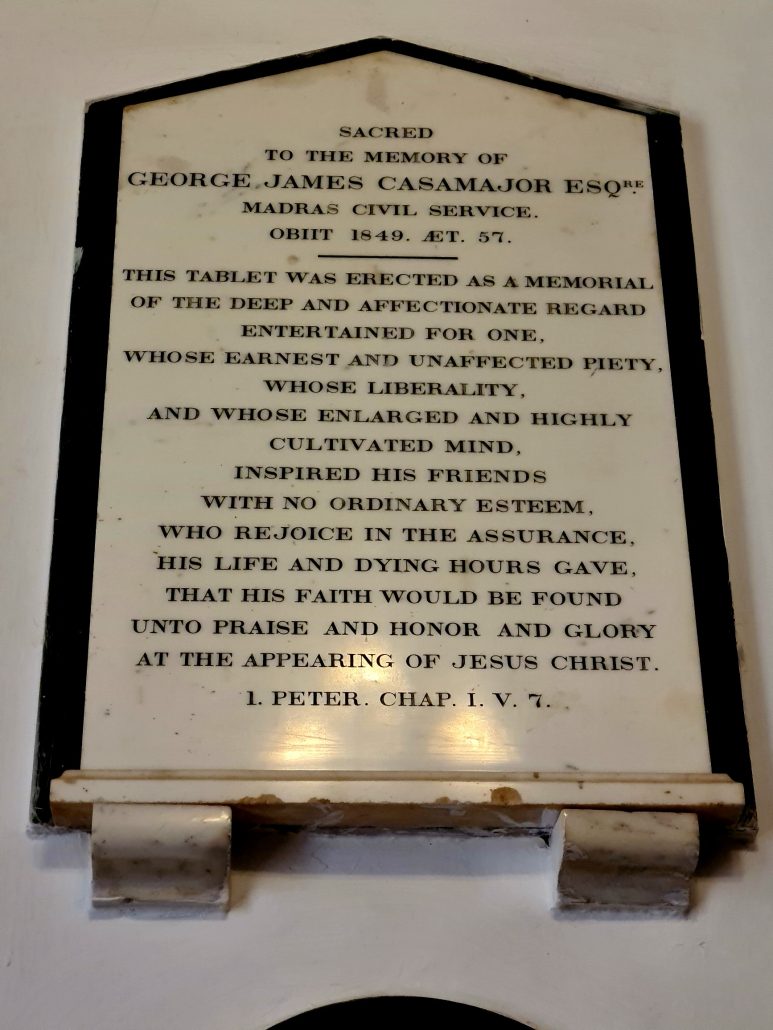
Another gem is St Stephen’s Church.
The church dates back to the 19th century. Stephen Rumbold Lushington, the then Governor of Madras, who keenly felt the need for a church in Ooty exclusively for the British, laid the foundation for the church on 23 April 1829, to coincide with the birthday of King George IV. […] It came under the Church of South India in 1947.
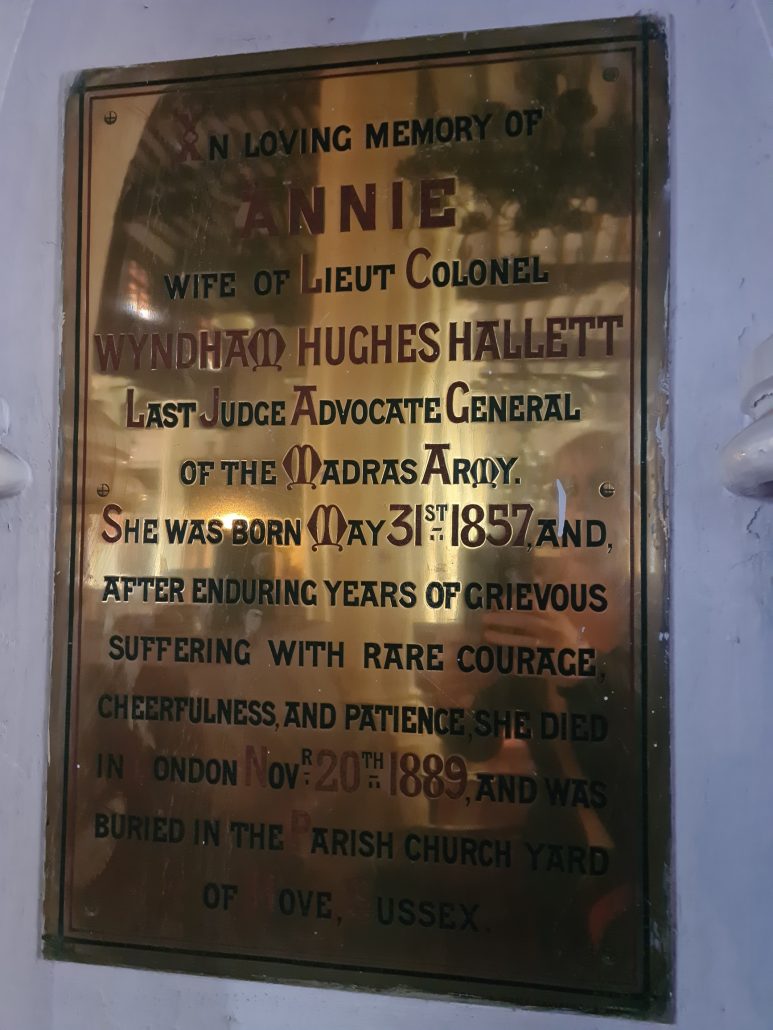
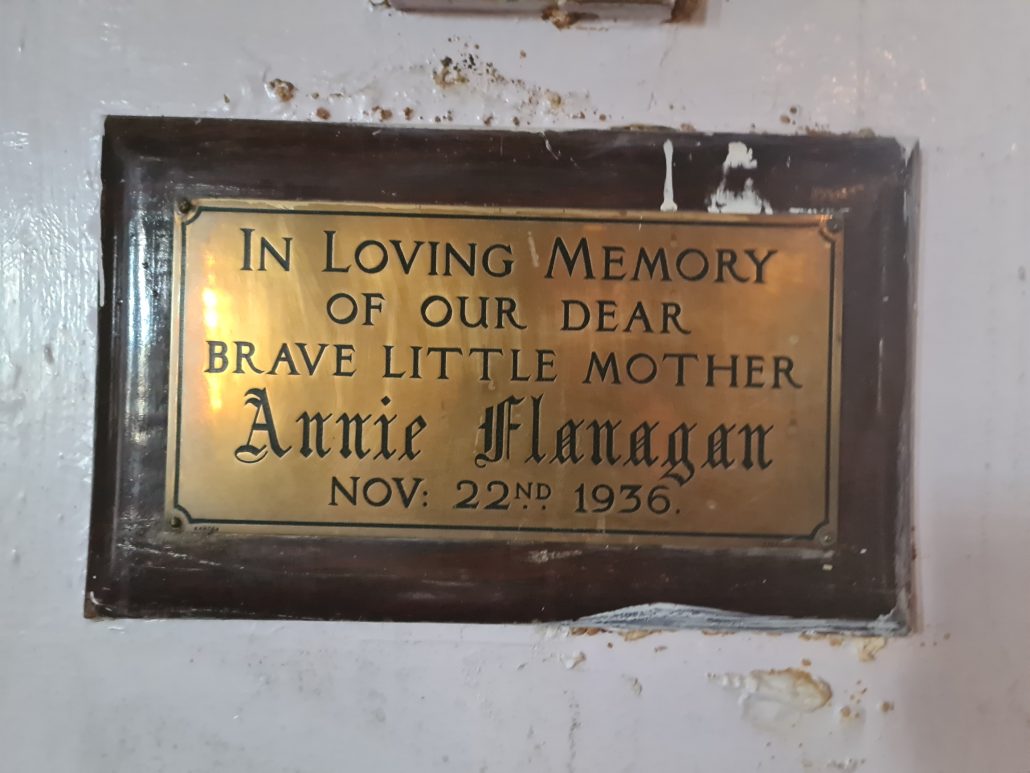
I was reminded of a visit to St George’s Cathedral in Freetown, Sierra Leone, where I spent some time reading the various plaques on the walls, each telling the story of who had died and who had missed them.
We’d spend Day 3, not in Ooty, but exploring nearby Coonoor and the strangely compelling Wellington.
Where to eat in Ooty
The restaurant at the King’s Cliff didn’t do it for me, even though it came highly rated.
The Bird of Paradise down the hill just outside the gate was better, even if their alcohol-free whiskey sour, said to be better than the real thing, was obviously made by someone who’d never tasted the real thing.
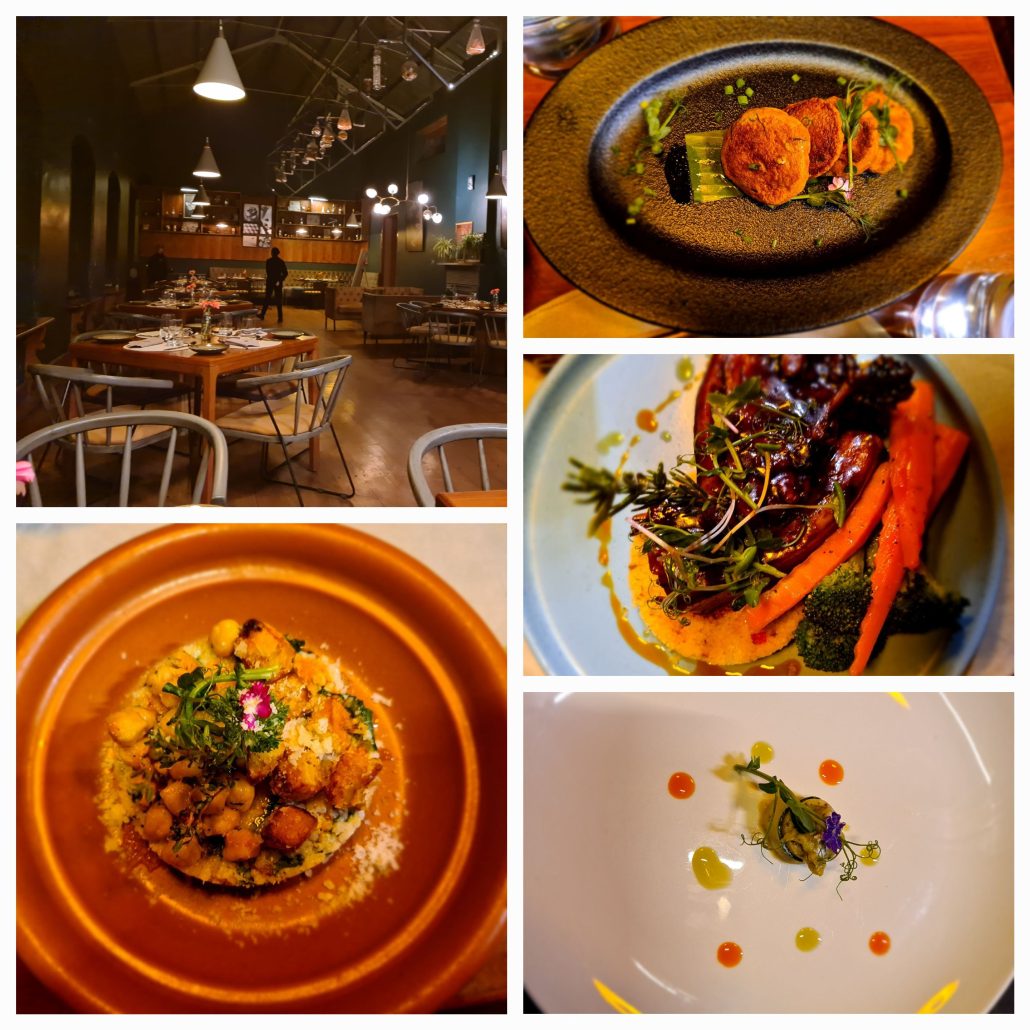
The star recommendation goes to The Periodic Table downtown in Little Earth Square: affordable fine dining at its best.
And Le Cafe in that same square does a decent oat-milk cappuccino. And the supermarket is great.

5 responses
Thank you for writing up this visit to Ooty. My grandfather was the District Forestry Officer in Ooty, arriving in 1921 and leaving at independence in 1946/7. My late mother has since collected the stories of the families of the people who worked in the forests and jungles at the time into a book, “Forest Families”. I’m now planning a visit in November, so this was a very good start to my research for the journey.
Have a wonderful trip, Michael. How lovely it is to have a connection to Ooty. Appreciate you taking the time to comment.