
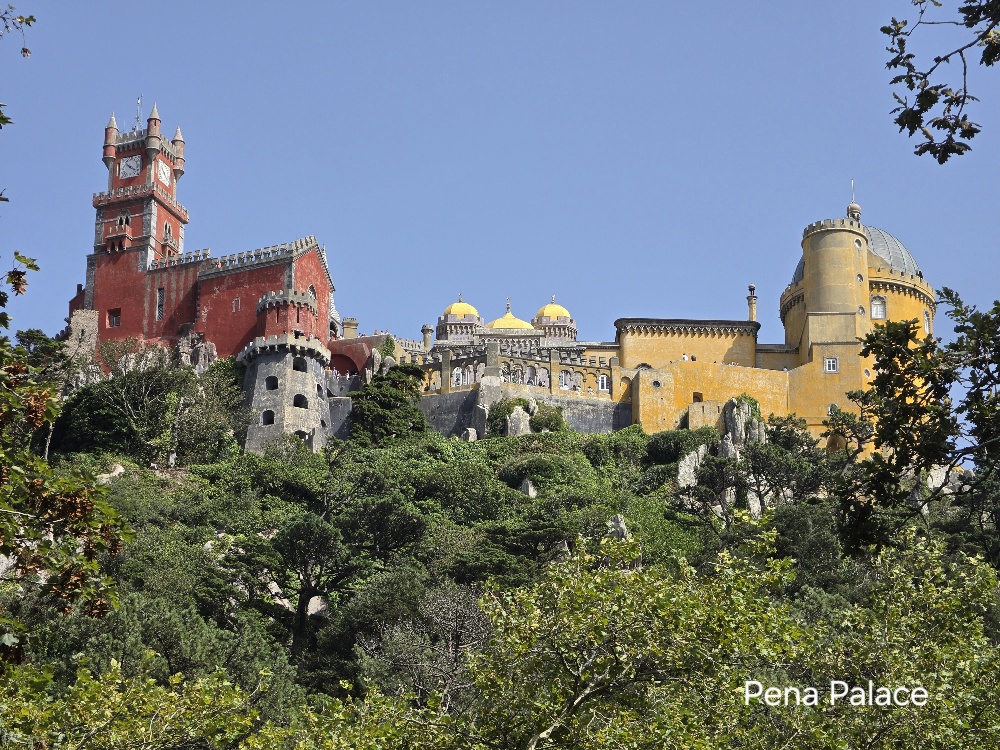
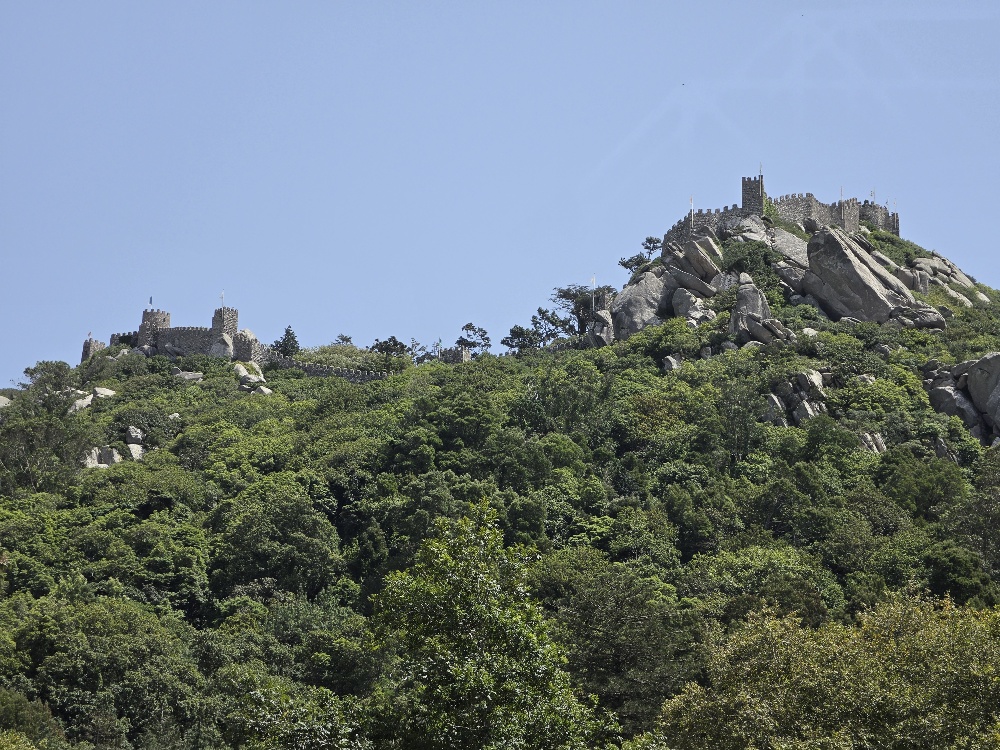
A few years back, when staying in the lovely Ericeira, we popped over to Sintra to see Pena Palace. I don’t remember much of the town itself so this time, I was pleased that we had a chance to look around a little.
The ever-determined GP had scored three tickets to see Palácio da Regaleira and its initiation well that takes you down through Dante’s hell. There were five of us. There’s a lesson there: If you plan on seeing any of the five palaces in Sintra BOOK AHEAD.
- Pena National Palace: The famous bright yellow and red hilltop romanticist masterpiece.
- National Palace of Sintra: The medieval royal residence in the historic town center with iconic twin chimneys.
- Quinta da Regaleira: A mystical 20th-century estate known for its hidden tunnels, Gothic architecture, and Initiation Well.
- Monserrate Palace: An exotic blend of Gothic, Indian, and Moorish architectural styles set in a lush botanical park.
- Palácio de Seteais: An 18th-century neoclassical palace that now operates as a luxury hotel.
- Palácio Biester: A romantic 19th-century-revival mansion tucked into the forested slopes
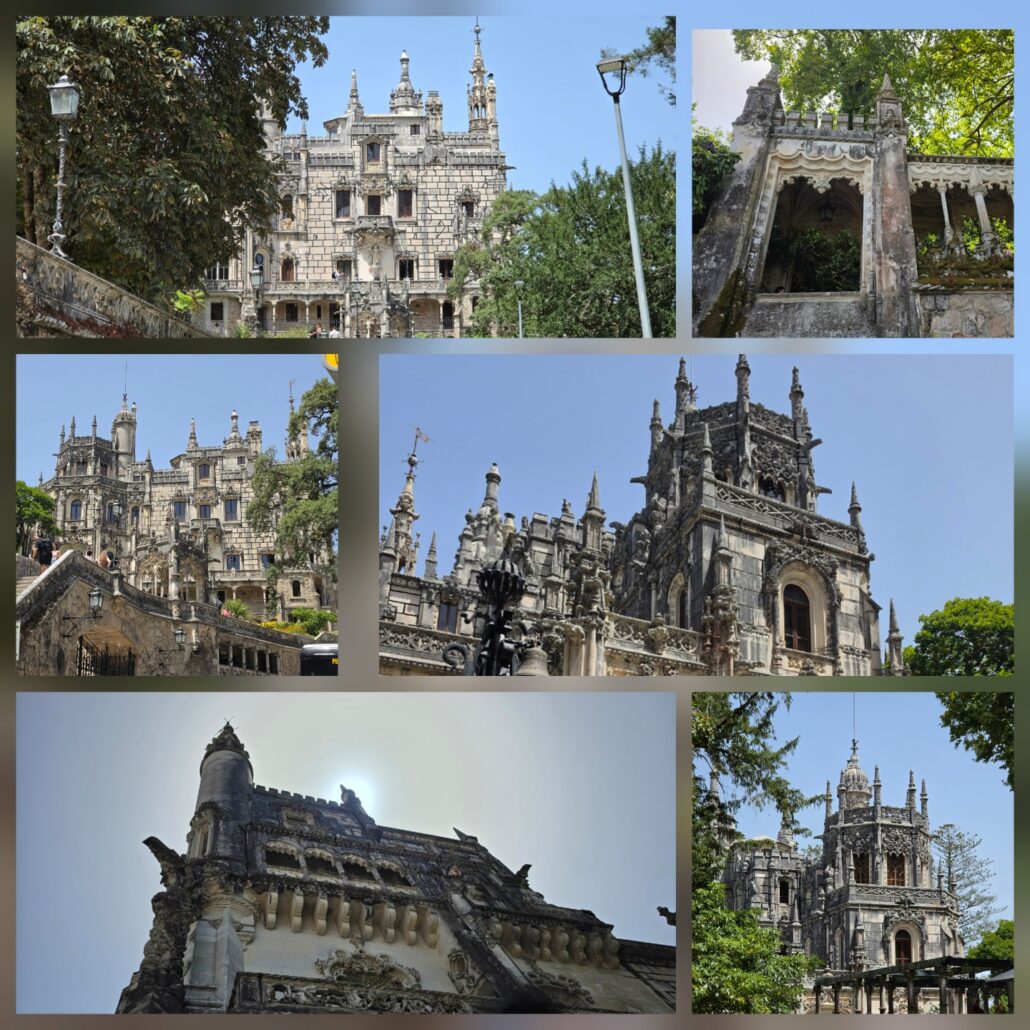
Truth be told, neither G nor I were up to climbing down all those steps, so although we walked up as far as the entrance with them, we left them to it. Instead, we ambled back down the hill to the St Lawrence where I continued to get reacquainted with vinho verde. Operating since 1764, it’s the oldest hotel on the Iberian Peninsula.
Legend has it that George Lord Byron began writing The Pilgrimage of Childe Harold while staying at Lawrence’s Hotel in 1809.
We had enjoyed some excellent tapas at Tasca Saloia when we’d first arrived. And having sampled some wine at the St Lawrence, I was ready to try some more. We met up with the other three, who seemed to have enjoyed their trip to hell. Perhaps himself will post about it later.
We sauntered back down one of Sintra’s many hill streets and stopped for some vinho verde at Loja do Vinho before wandering back up the narrow, cobblestone streets this part of the world is noted for.
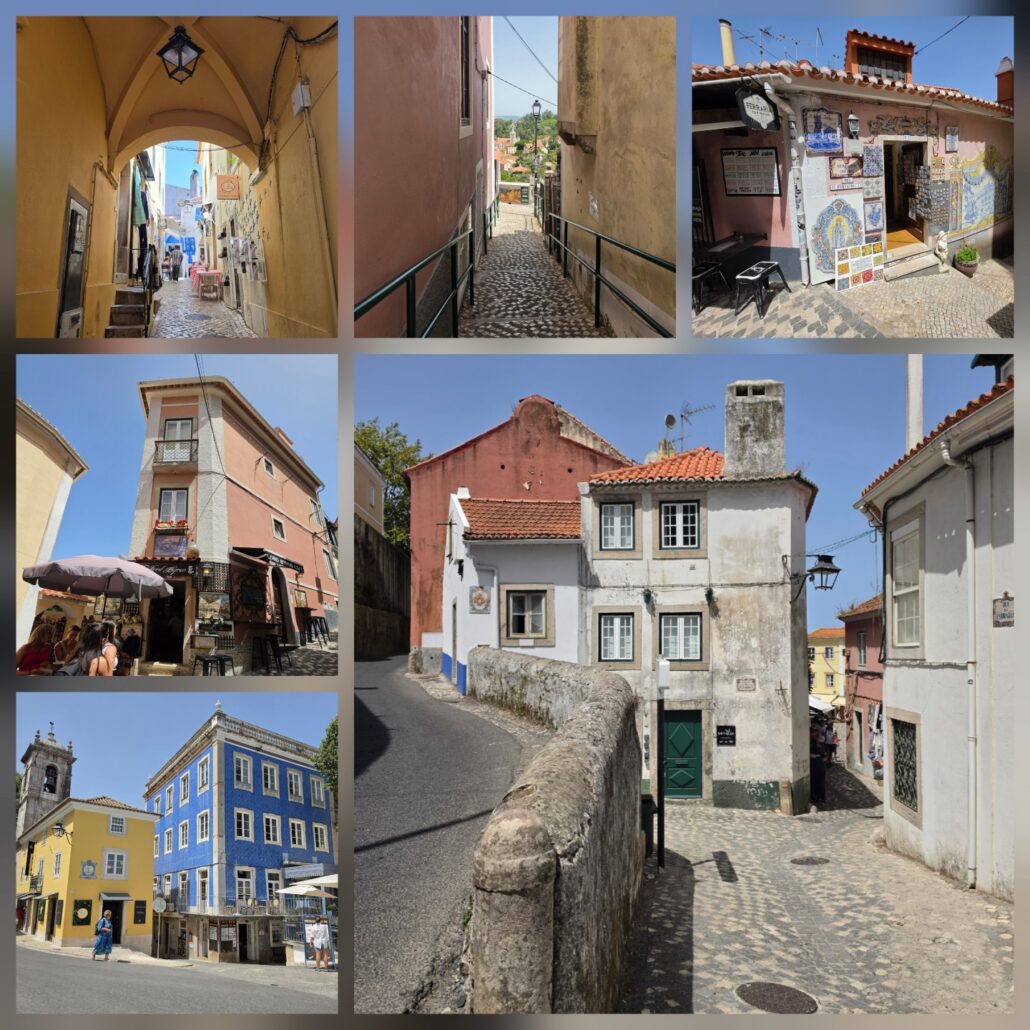
Sintra has a long and colourful history. From its prehistoric and Roman roots to the arrival of the Moors in the 8th century and its Christian conquest in the 12th, Sintra didn’t come into its own until the 15th and 16th centuries. This was when Portugal was busy exploring the world and the wealth its explorers found abroad was returning by the shipload to the mother country. Later, the romantics came calling, turning monasteries into palaces and with the stuff fairytales are made of came the writers and the tourists.
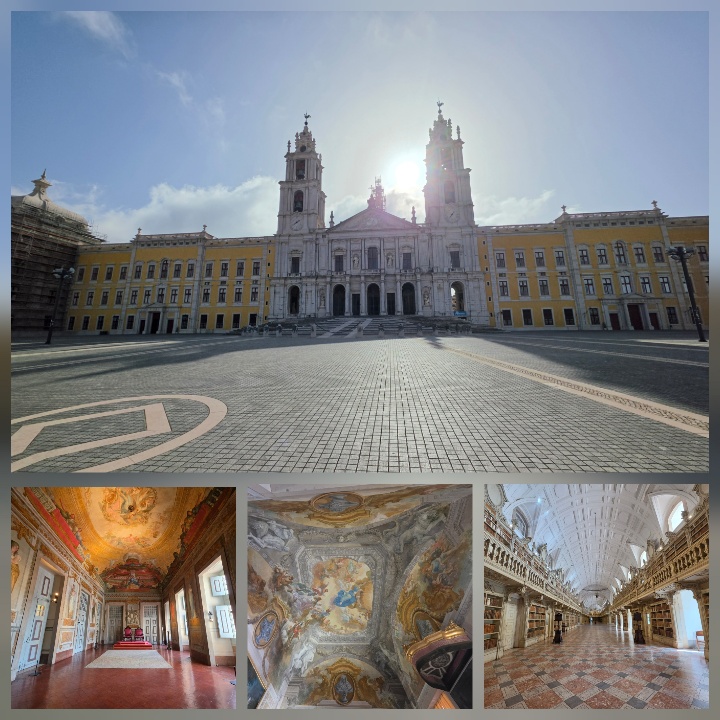
We had been in Mafra earlier that day and had the palace to ourselves for most of two hours. The town itself was practically deserted. This was in sharp contrast with Sintra. Jose, our guide, cited the tour operators as the culprits. Tourists, for the most part, are easily led. The top restaurant on TripAdvisor gets the reservations. The top hotels on Booking get the custom. And the tours and places touted get the visitors.
This can backfire.
Given the choice, I’d choose Mafra over Sintra any day. The palace is stunning in its simplicity and its quirkiness. And the library – ye gads! The library.
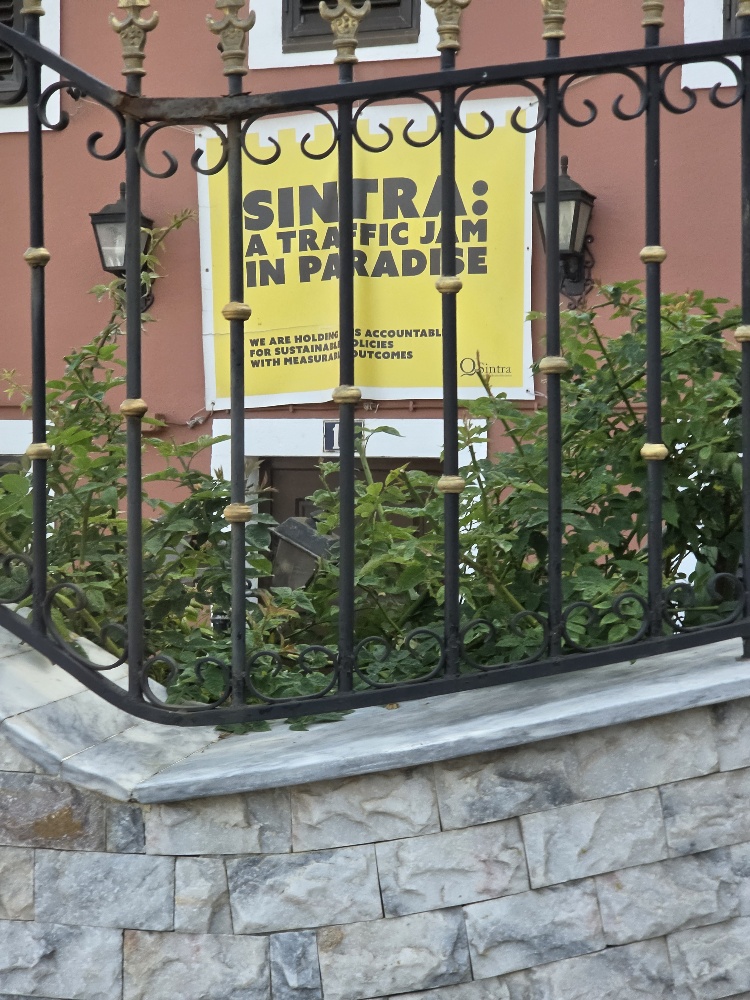
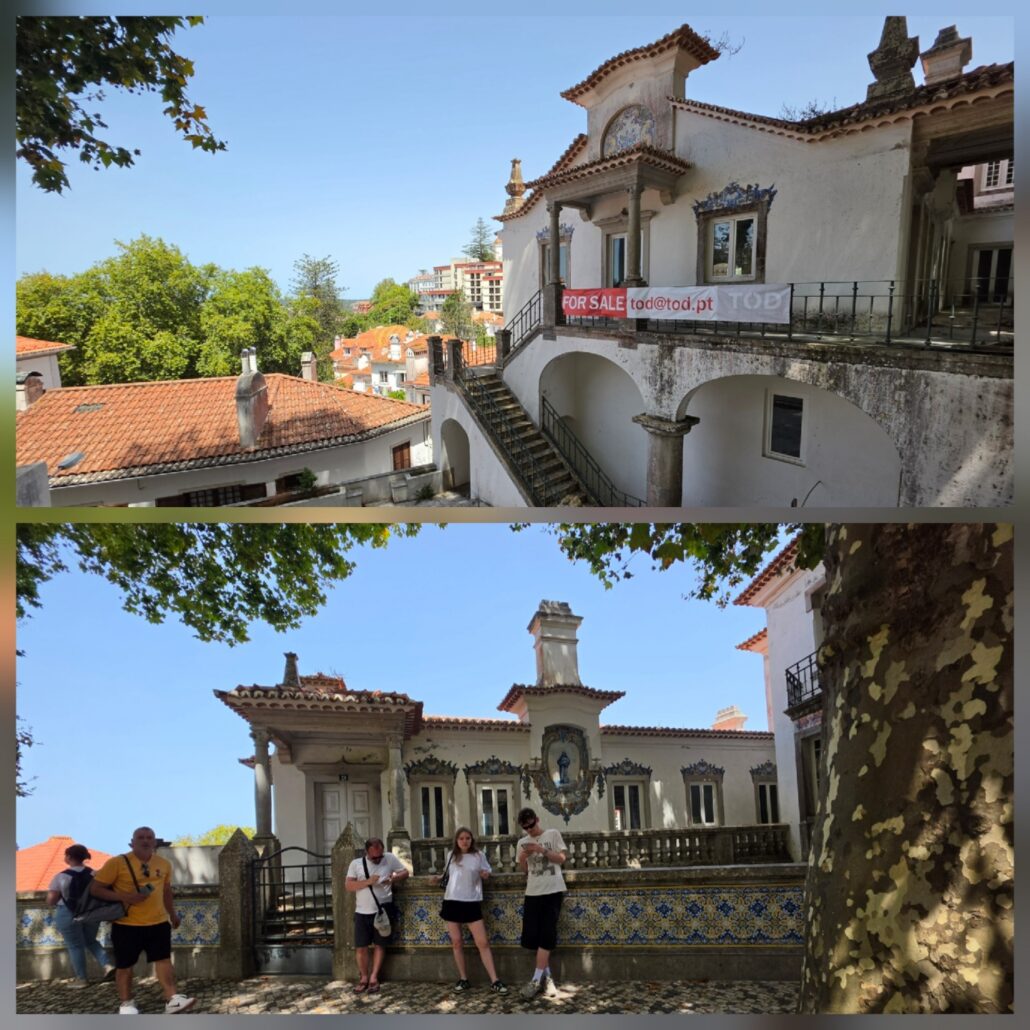
The locals in Sintra are kicking up – and rightly so. I saw one For Sale sign and quite fancied the house were it not for the steady trail of tourists plodding past what could be my front gate.
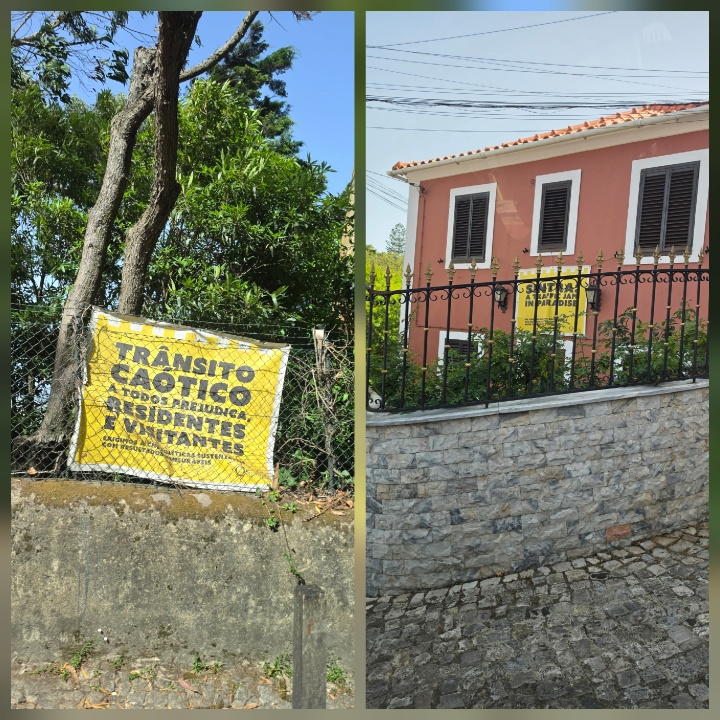
Signs that the locals are getting fed up are obvious. Chaotic traffic harms everyone, residents and visitors alike. I can’t begin to imagine trying to get through town to do my shopping and having to navigate the tidal wave of camera-wielding tourists oblivious to everything but the next shot.
At least five major European cities are hitting back and introducing measures to curb overtourism.
- Amsterdam, Netherlands
- Dubrovnik, Croatia
- Barcelona, Spain
- Santorini, Greece
- Blue Lagoon, Comino Island, Malta
I’m not sure what the answer is. Charge, like Venice? Limit the number of entries like Santorini and Dubrovnik, which have capped cruise ship visitors at 8,000 and 4,000 (simultaneously) per day, respectively? Cap the number of entries to major sites like Pompeii at 20,000 per day? Or tax frequent flyers?
We tend to stay away from tourist-dense places or try to go off-season. And in our small way do our bit.
Perhaps the answer is to stay at home. mmmmm…