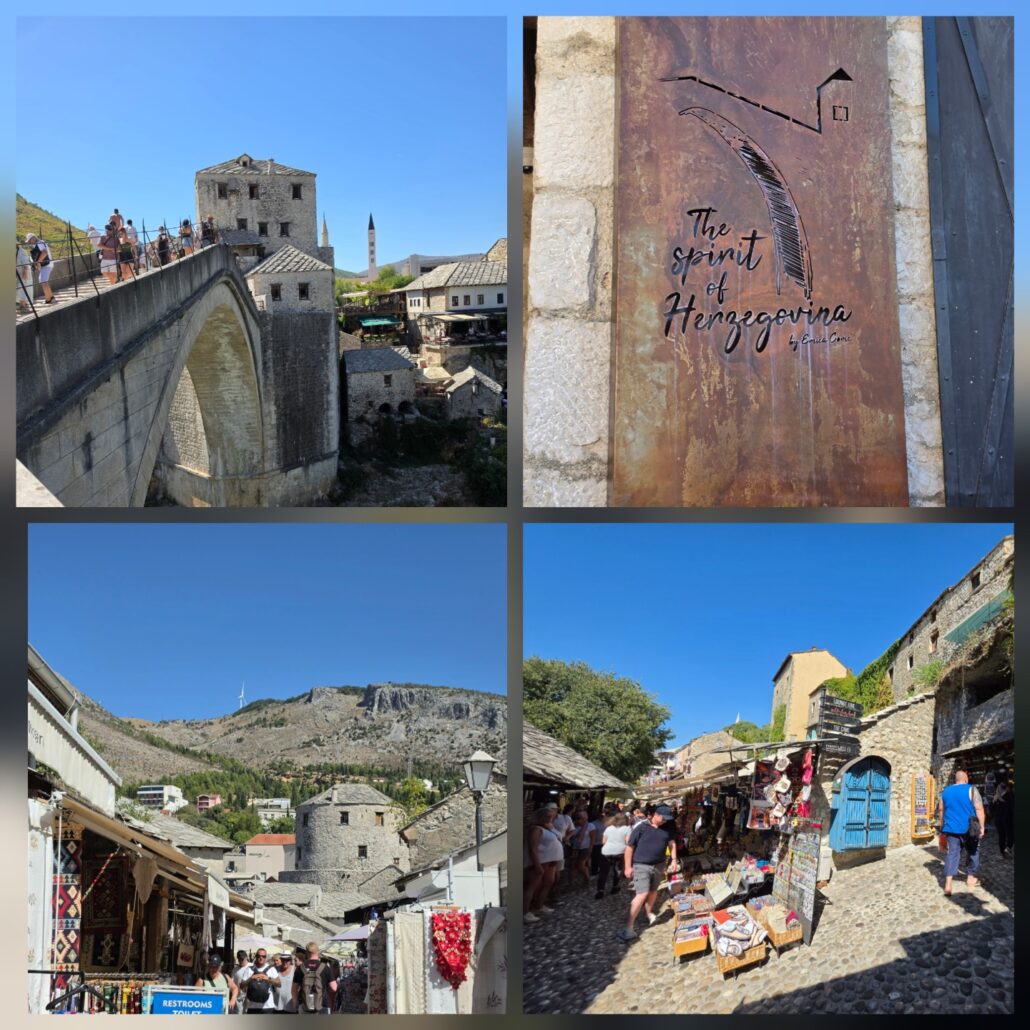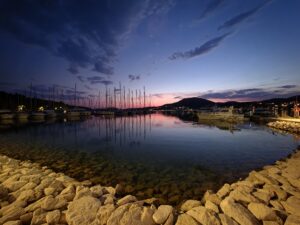

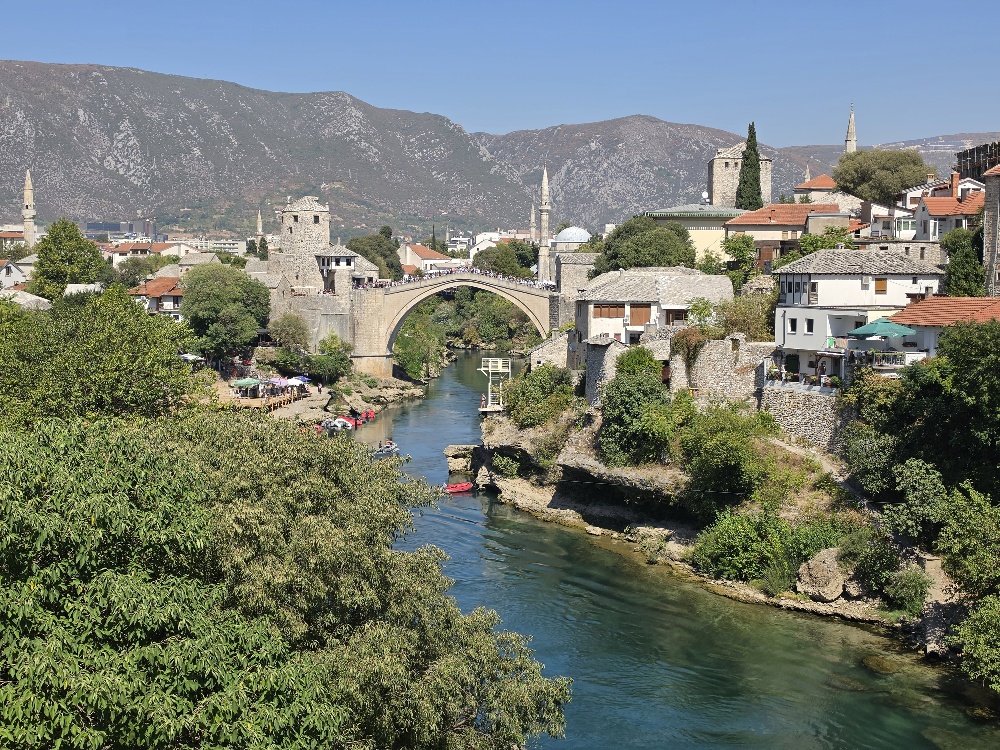
Wrong bridge. Wrong river. But we went there anyway.
We had thought, for some odd reason, that the bridge in Mostar was the one Ivo Andrić wrote about in The Bridge on the Drina. But that was the Mehmed Paša Sokolović Bridge in Višegrad, not the Stari Most over the Neretva River in Mostar.
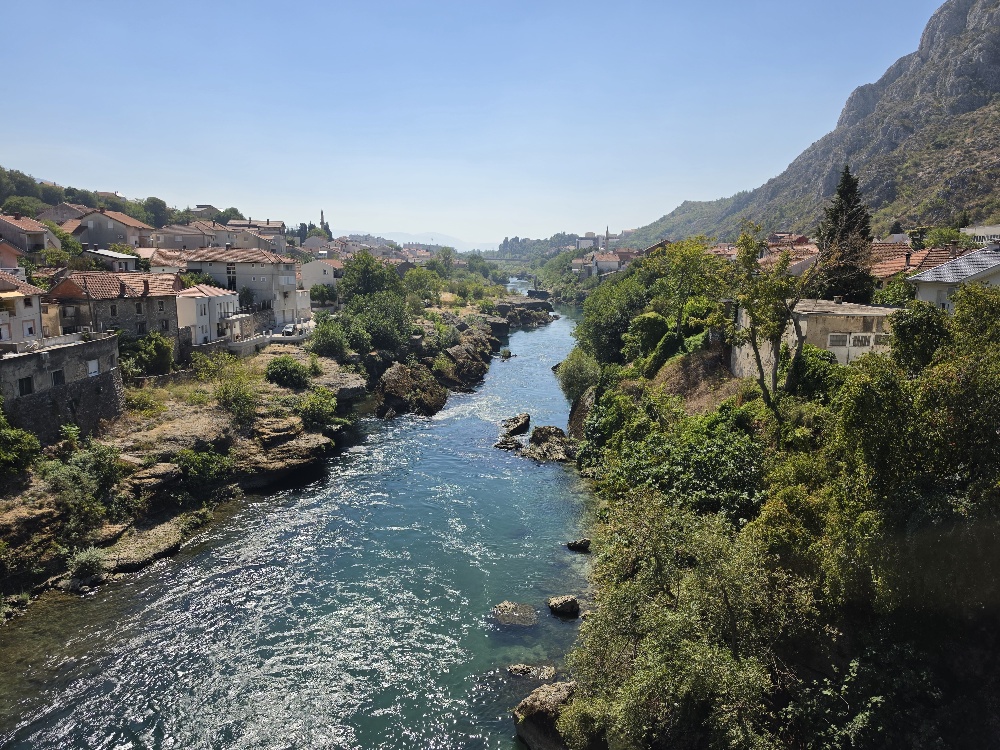
Still, we went. And it was worth it. The view from Lučki Most is chocolate box stuff – in both directions.
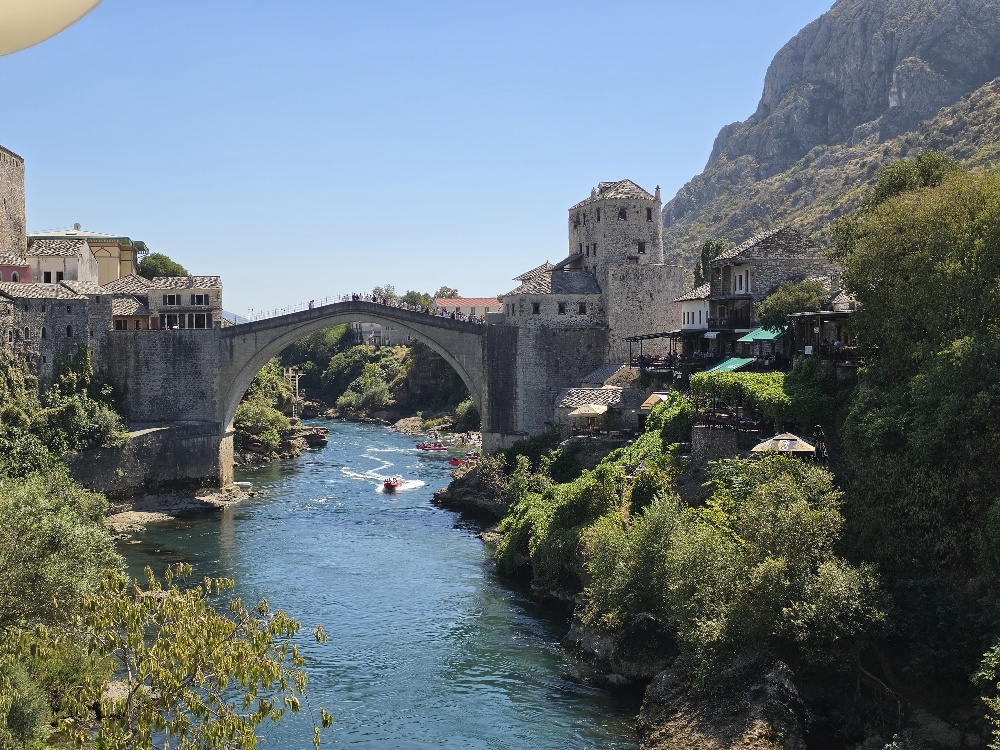
There’s been a rumour doing the rounds for years that a German news crew paid Croatian forces to destroy it so they could film the destruction during the Bosnian War. I have my doubts about that. It smells of someone shifting blame.
We visited the Museum of War and Genocide Victims 1992-1995. It made for a compelling, if harrowing, hour or so. We could have spent longer, but it got to be too much. There was so much to take in and too many people taking it in at once.
One story that sticks with me is of neighbours turning against neighbours. People who had lived side by side for years, sharing meals, watching their kids grow up, turned completely against each other practically overnight. It’s mind-blowing.
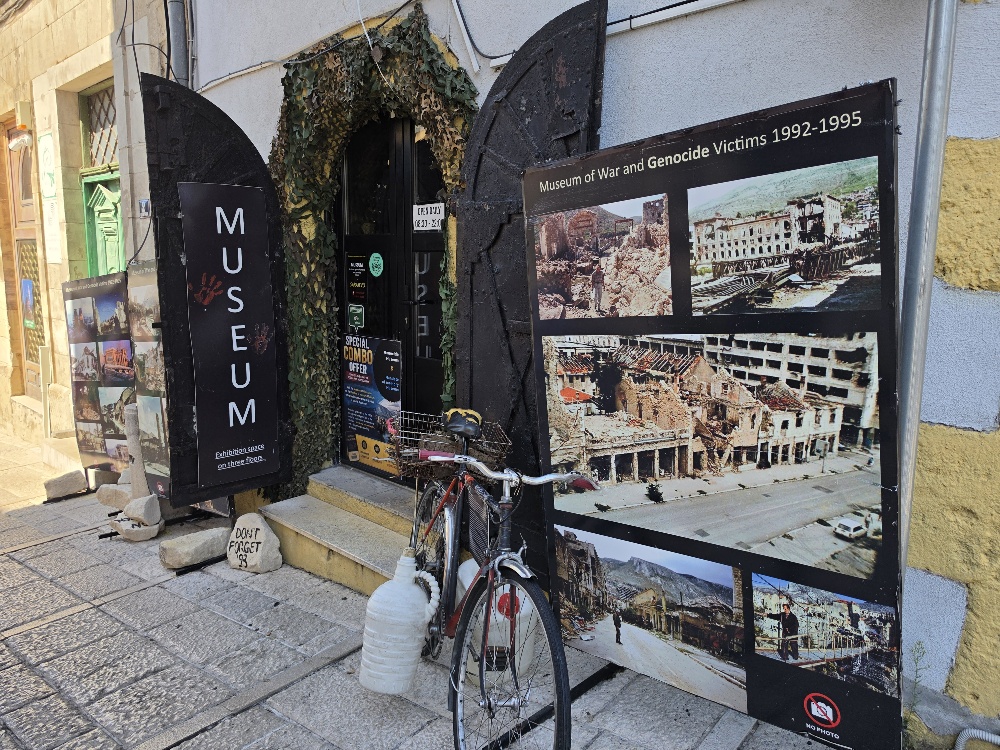
I think about the village here. Were Hungary and Ireland to go to war, would I be seen as me or as the enemy? Would individual identity become group identity?
Under the right circumstances, ordinary mechanisms of human psychology—fear, loyalty, conformity, threat perception, revenge and the desire for security—can be assembled into a machine that produces collective violence.
The museum sits across from the Mezarje Šehitluci, the martyrs’ cemetery, another sobering experience. So many young lives lost.
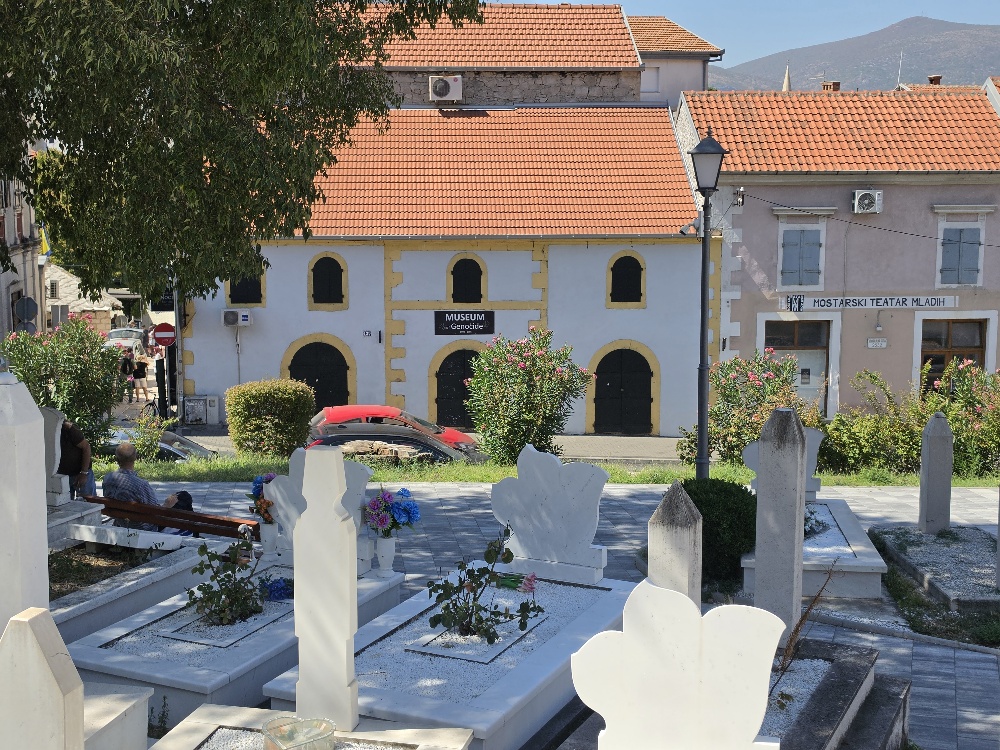
I find it hard to get my head around what happened from 1992 to 1995. From what I understand, when Yugoslavia broke up and Slovenia and Croatia seceded, Bosnia & Herzegovina held a referendum about independence in March 1992. There were three main ethnic divisions (44-31-17). Muslim Bosniaks, Orthodox Serbs, and Catholic Croats. The Bosniaks and the Croats wanted independence; the Serbs wanted to stay part of a Serb-led Yugoslavia. In a war within a war (1993-1994), the Bosniaks (ARBiH) and the Croats (HVO) would end up fighting each other, while still fighting the Serbs, before reuniting against their common enemy under the Washington Agreement in March 1994.
I’m sure it was a lot more complicated than this, but this is the gist of what I gathered. The war ended with the Dayton Agreement in 1995.
Four years of atrocities followed, including the Siege of Sarajevo and the Massacre at Srebrenica. I visited Sarajevo in 2012 and wrote about my experience. The comments on that post still stick with me. Was I naive then? Am I naive now?
The city was heaving. And it was a blistering 36 degrees. We wandered down through the Old Town and the Kujundžiluk bazaar with its distinctive narrow cobblestone streets and artisan stalls selling copper and rugs. We stopped for something to eat, and people watched for a while. Mostar knows its vegetarians.
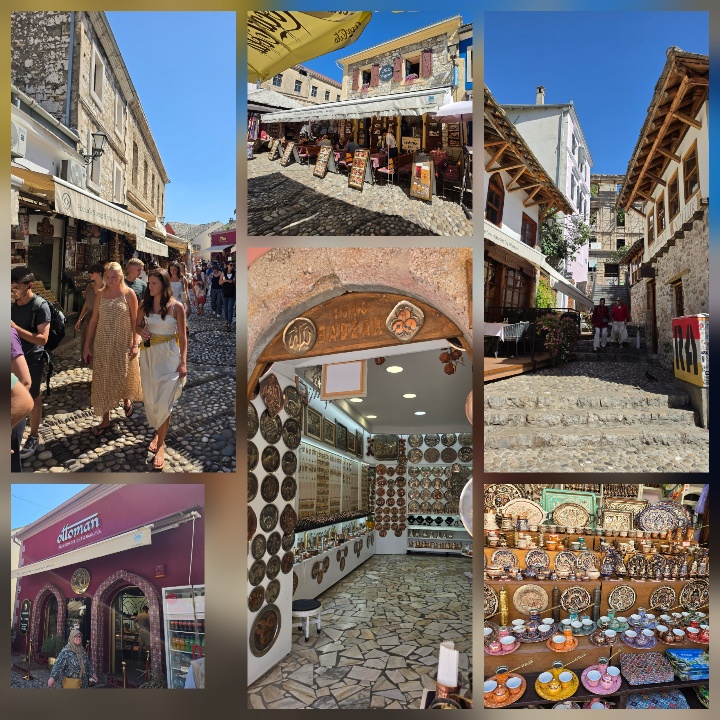
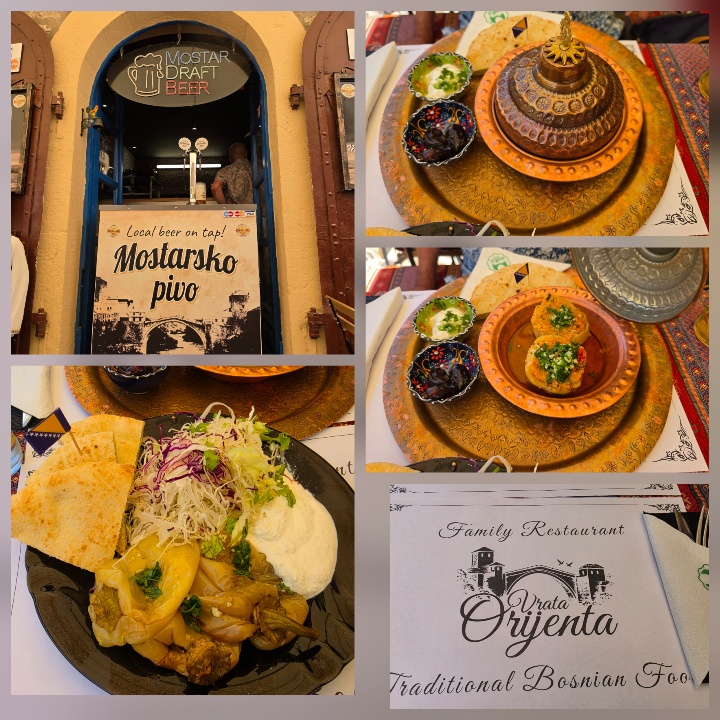
There was so much more we could have done.
We didn’t see any of the famous bridge jumpers.
Local ‘mostari’ jump into the Neretva from the Old Bridge. It’s an old tradition: they jump from a height of over 20 metres into the icy water (which flows down from the mountains). It doesn’t come for free, and it’s not spontaneous. The jumper stands on the railing, drags it out for a while and waits until enough people have gathered round. Before jumping, he goes round the crowd with a hat and collects donations. If he doesn’t collect enough, he simply won’t jump.
Presumably women do this, too.
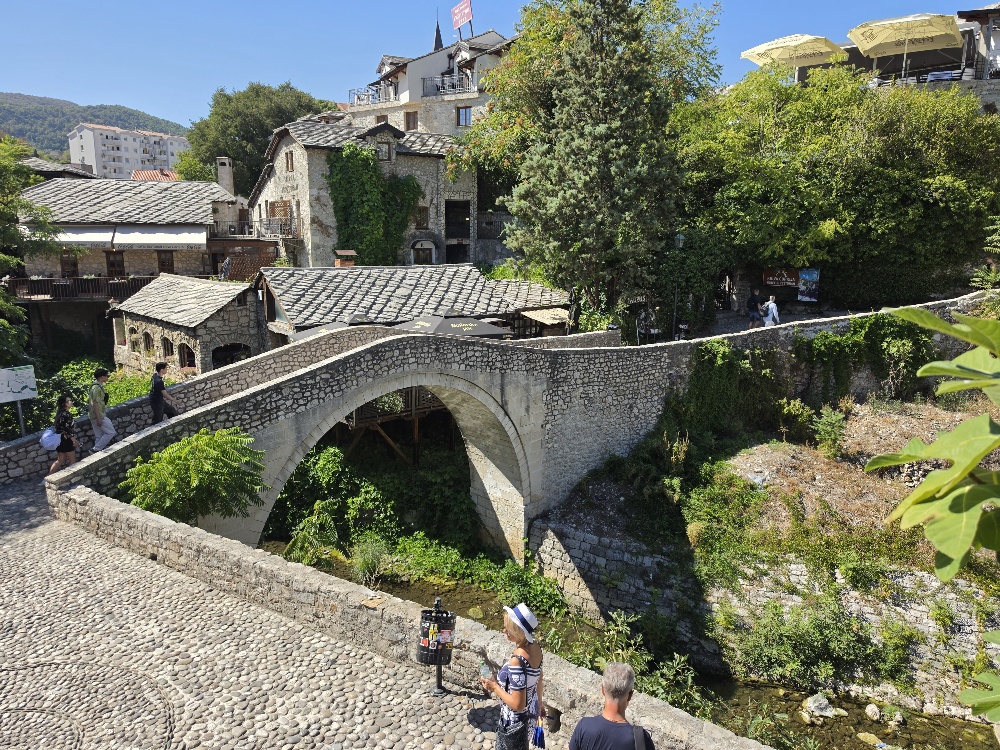
Finding our way back to where we’d parked the car was eventful. The Old Town is a warren of streets, and Google Maps seems to have difficulty navigating. It was all for the good, though, as we happened upon Kriva Ćuprija (the Crooked Bridge). Crossing the Radobolja stream, it’s even older than the Stari Most, dating to 1558 and looks like a miniature version of its younger sister.
Before we left, we drove in search of the Tobacco Shop but failed miserably to find it.
Tobacco Shop is a place that holds deep historical significance, as the owner’s personal experiences before, during, and after the war have greatly influenced his artistic creations and outlook on life. The shop is run by a diverse family consisting of a Muslim, a Catholic, and an Orthodox Christian, symbolizing unity and peace. Visitors are encouraged to come and witness this unique blend of cultures and ideologies at Tobacco Shop.
Google unhelpfully sent us to a kiosk in the middle of a shopping centre.
Our last stop was the Partisan Memorial Cemetery, variously described as a must-see or too dangerous to visit – stay away. I couldn’t pass up the chance to see this necropolis, and I was so glad we made the effort.
I said it about Medjugorje, and I’ll say it about Mostar: I want to go back in November or February, when I can have more space and more time and fewer people.
Notes for next time:
- Swim at Blagaj where the River Buna rises from beneath a rock near the Dervish monastery Tekija. About 12km from Mostar.
- Check out Bulevar Street and the sniper tower.
- Walk from Spanish Square to the Bridge with a war-history guide.
- Find the Tobacco Shop.