


Before we travel, we check weather forecasts. We check places to eat. We check museums, galleries, churches, places of interest. We shop around for places to stay. We research flights and itineraries. We check visa requirements. And, for more exotic locations, we check vaccinations. But, it would seem that far too many of us don’t bother checking currency exchange rates. We’re ripped off. Regularly. And it’s all our own fault. Fair exchange is no robbery but currency exchange? That can be daylight robbery. Budapest is a case in point.
Noting the spread with currency exchange
With currency exchange, the buy rate and the sell rate will differ. The currency exchange booths are in it to make a profit and commissions don’t always cut it. So they buy from me at one rate and then sell to you at a higher rate. The difference is the spread. Fair enough. Personally, if the spread is more than 2 points, I walk away. I might sometimes stretch to 3, but that’s if I’m desperate or am only changing a small amount. Coming through Budapest Airport, for example, I see lines of people at the currency exchange booth. The spread there can be as high as 70 points. Yes, 70. And people still buy. The same can be said for booths at the train stations around the city. Massive spreads. The touristy areas, too, have wider-than-usual spreads and yet people don’t bother checking. Madness.
I have, on occasion, gone over to someone in the queue at these places and pointed out the rate to them, telling them that they can get a much better rate in elsewhere. Most are happy to hear it; others just shrug as if it’s part of the cost of travelling. I wish I had their money.
They then turn to the ATM in the arrivals hall, which is a Euronet machine. These machines popped up in the city overnight (or so it seems – one day nothing and the next day they were everywhere). They make a fortune off unsuspecting tourists.
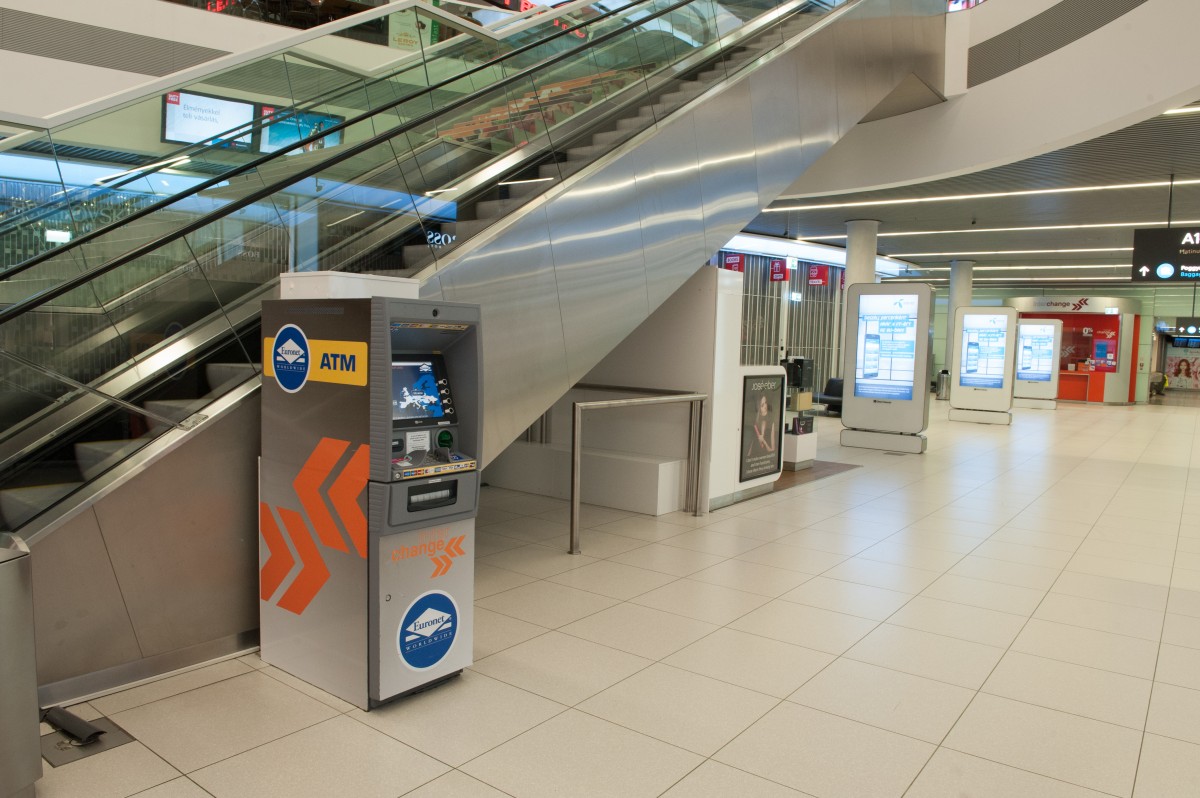
Using ATMs
Like a lot of ATMs, they offer you the option of a guaranteed conversion rate, which is usually considerably lower than what you would get on the high street. My rule when using a debit card or credit card abroad is to always charge in the currency of the country I am in and NOT in the currency of my bank account. Don’t believe me? Check it next time you’re asked if you want to accept the charge in euro (or dollars or sterling or whatever) or forints? Note what they’re offering you. And then accept to pay in forints. When it hits your bank account, check how much you were actually charged. On my last hotel transaction in Ireland, the difference was €25 on a €320 charge. This adds up. Let your home bank do the currency exchange for you. It’s cheaper.
When you use Euronet to take out euro cash (and if you find one that does, fair play – even if they all say they do, they don’t), then you’re subject to a double exchange. Your home currency is converted to forints (possibly at your home bank rate) and then to euro, internally, using the Euronet rate. They can charge what they like to convert from forints to euro, so be warned.
Checking shop rates
If you know the exchange rate of the day, you’re better positioned when it comes to shopping. Sometimes, supermarkets and shops don’t update their rates in real time. For a while there it was cheaper for me to pay in euro cash and get my change in forints at one supermarket than to use the atm or to convert euro cash to forints. Likewise, when buying from shops that offer both euro and forint prices – sometimes the euro price is cheaper. Not so the fixed price taxi rate from the airport though – paying in euro rather than forints has always been more expensive.
There are better things to spend your money on than bad exchange rates. Be smart.